
Riverside County · Riverside–San Bernardino metro
Plumbing Services in Corona, CA
Need help with a failing water heater, a slab leak or a clogged drain in Corona? Call (833) 878-1592 to describe the problem and get connected with a licensed local plumber.
Calling is free. Repairs are done by independent, licensed plumbing companies serving Corona and Riverside County.
Plumbing help in Corona
Plumb Right Now arranges plumbing repair, drain and sewer service, water heater work and emergency help in Corona, CA, through independent licensed local plumbers. The calls that come up most here are water heater replacement, slab leak repair and repiping. Call (833) 878-1592 to describe the problem and get connected with a local plumber.
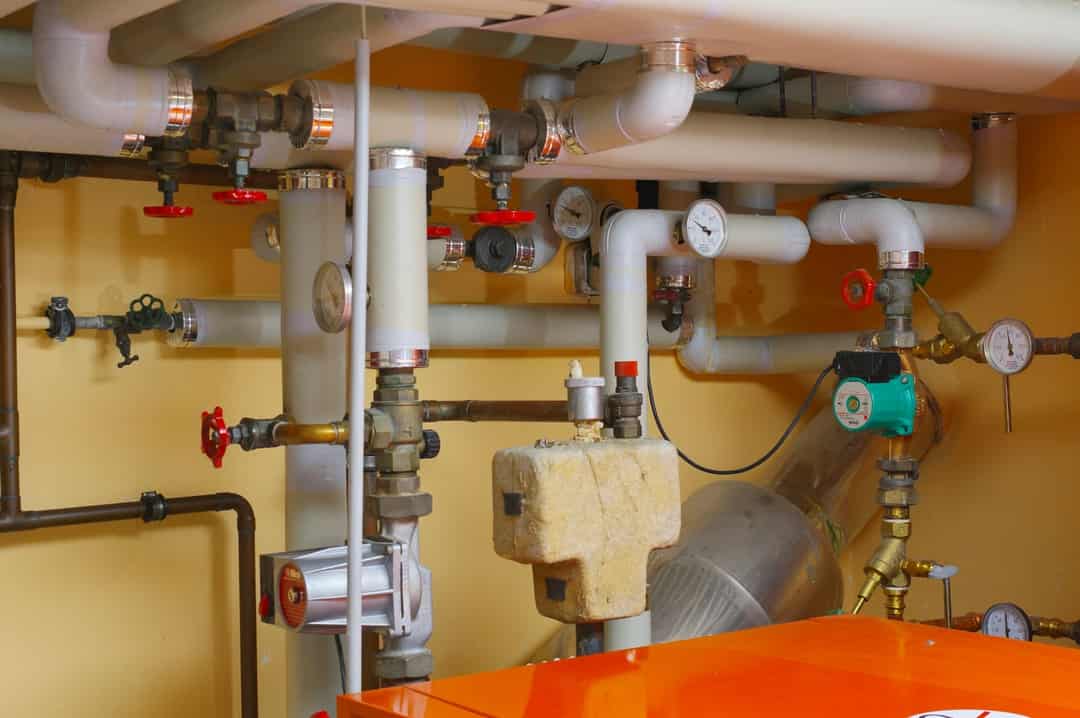
Most requested plumbing services in Corona
Start with the service that matches your problem. Services marked “Common in Corona” are the calls local housing and conditions produce most in Corona.
- Water Heater ReplacementCommon in CoronaReplacing a failing or leaking tank heater.
- Slab Leak RepairCommon in CoronaLocating and fixing leaks in pipes under the foundation.
- RepipingCommon in CoronaReplacing old galvanized, polybutylene or failing copper lines.
- Emergency PlumberBurst pipes, major leaks, sewage backups and no-water situations.
- Drain CleaningSlow drains, recurring clogs and backed-up sinks, tubs and showers.
- Leak DetectionHidden leaks behind walls, ceilings or floors, or a bill that suddenly jumps.
- Water Heater RepairNo hot water, leaking tank, strange noises or uneven temperature.
- Sewer Line RepairRecurring backups, sewer odors, slow fixtures or a damaged sewer line.
- Burst Pipe RepairStopping and repairing burst or split pipes.
- Pipe RepairLeaks, corrosion, cracked lines and low pressure from damaged pipes.
- Toilet RepairRunning, clogged, leaking or weak-flushing toilets.
- Faucet Repair and ReplacementDripping, leaking or low-flow faucets.
Emergency plumbing in Corona
Call (833) 878-1592By calling, you agree to be connected with an independent plumbing contractor serving your area. Calls may be recorded for quality and training. The call and referral are free, and you are never obligated to hire.Shut off your main water supply if it's safe to do so. The emergencies below are listed most likely first for Corona homes, based on local conditions. See also what to do in a plumbing emergency.
When to call, and what to do first
For the problems Corona homeowners call about most, and why they come up here:
- Water Heater Replacement
Why it comes up in Corona: Hard imported water scales tanks in garages.
- Signs:
- Water around the tank base, rusty hot water, a tank past 10 years
- Urgent when:
- The tank itself is leaking
- Before help arrives:
- Turn off gas or power and close the cold-water valve
- Repair or replace:
- Leaking tank: replace. Failed part on a younger tank: repair
- Slab Leak Repair
Why it comes up in Corona: Slab subdivisions develop under-floor leaks as copper ages.
- Signs:
- Warm floor spots, sound of running water, a spinning meter
- Urgent when:
- Water surfacing through the floor or a large bill jump
- Before help arrives:
- Close the main shutoff if water is visible
- Repair or replace:
- One leak: spot repair. Repeated leaks: reroute the lines
- Repiping
Why it comes up in Corona: Older homes near Grand Boulevard still have galvanized pipe.
- Signs:
- Rusty water, falling pressure, repeated pinhole leaks
- Urgent when:
- Leaks keep recurring in different places
- Before help arrives:
- Note where leaks and rust appear; check the pipe at the water heater
- Repair or replace:
- One leak: repair. Failing pipe throughout: repipe
Why Corona homes need these repairs
Corona, the 'Circle City', has older homes near Grand Boulevard and large 1980s–2000s subdivisions climbing into the foothills. The city's utility blends desalted local groundwater with imported Colorado River and State Water Project water, so hardness, slab leaks and hillside pressure issues are common calls.
Local conditions behind Corona plumbing problems
- Median home built
- 1990
- Built before 1980
- 24%
- Owner-occupied
- 62%
- Water hardness
- See below
- Winter
- Hard freezes are rare
- Plumbing code
- Local
Corona service pages
- Water Heater Replacement in Corona, CAWater Heater Replacement in Corona, CA: hard imported water scales tanks in garages.
- Slab Leak Repair in Corona, CASlab Leak Repair in Corona, CA: slab subdivisions develop under-floor leaks as copper ages.
- Repiping in Corona, CARepiping in Corona, CA: older homes near Grand Boulevard still have galvanized pipe.
Corona's water supply and your plumbing
In 2025 about 55% of Corona's water was imported from Metropolitan Water District through Western Municipal Water District, and about 45% came from local groundwater. [1]
Most groundwater pumped in Corona goes through the Temescal Desalter, a reverse-osmosis plant that removes nitrates, PFAS, 1,2,3-TCP, perchlorate and dissolved solids. [2]
Polybutylene-era homes in Corona: leaks and repiping
The median home in Corona was built in 1990, and 24% of homes predate 1980. Homes from that era were typically built with copper or CPVC supply, plastic drains, and in some homes gray polybutylene supply pipe, which is where leaks, low pressure and drain problems usually start as they age.
- Galvanized steel supply (1900–1960)
- Copper supply (1950–2000)
- Polybutylene (some homes) (1978–1996)
- PEX / CPVC (1995–today)
Corona plumbing questions
When is a leaking water heater an emergency in Corona?
A leak from the tank itself won't stop and usually means replacement; turn off the gas or power and the cold-water valve, then call. Why it comes up in Corona: Hard imported water scales tanks in garages.
How do I know if my Corona home has a slab leak?
Warm spots on the floor, the sound of running water with everything off and a meter that keeps moving are the usual signs; a plumber can pinpoint it before opening the floor. Why it comes up in Corona: Slab subdivisions develop under-floor leaks as copper ages.
Where does Corona's water come from?
Roughly half is imported Colorado River and State Water Project water through Western Municipal Water District; the rest is local groundwater, most of it treated at the Temescal Desalter.
What does the Temescal Desalter remove?
It uses reverse osmosis to take out nitrates, PFAS, 1,2,3-TCP, perchlorate and excess dissolved solids from local groundwater.
Why is pressure so high in my Sierra del Oro home?
Foothill homes fed from reservoirs above can see high street pressure. A pressure regulator protects pipes and fixtures; replace it if pressure creeps up.
Is Corona water hard?
The imported share is hard, so scale on fixtures and in water heaters is common. Ask for a hardness test before buying a softener.
Sources (3)
- U.S. Census Bureau, ACS 2024 1-year (B25035) · checked 2026-10-01
- City of Corona, Consumer Confidence Report · checked 2026-10-05
- City of Corona, Consumer Confidence Report · checked 2026-10-05