
Sources, from most to least likely
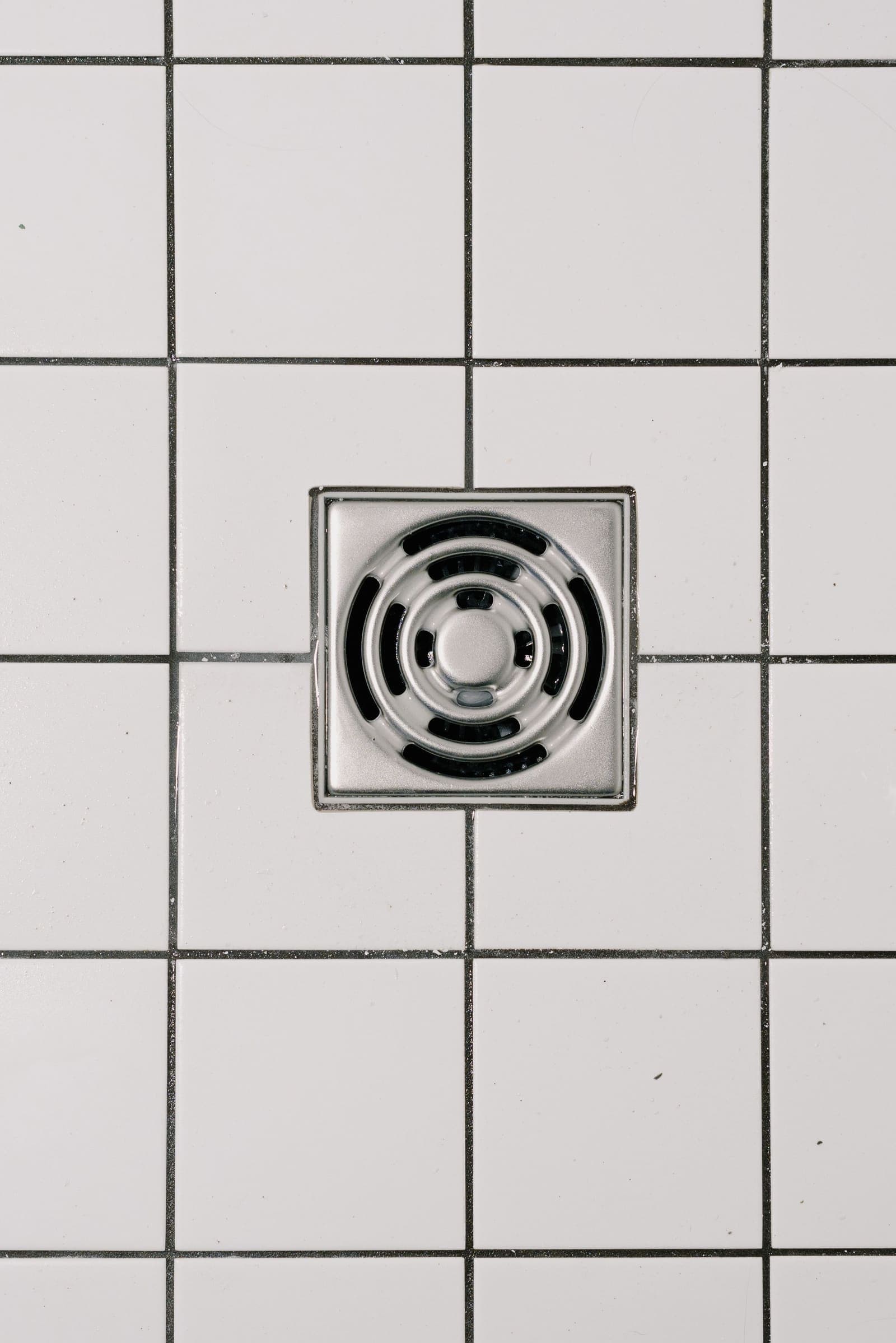
Dry trap
Most commonTell: Smell near a floor drain, guest shower or utility sink that's rarely used.
Fix: Run water for 30 seconds. A spoon of mineral oil on top slows evaporation in floor drains.
Dirty sink overflow
Most commonTell: Smell right at a bathroom sink; the drain itself is clean.
Fix: Scrub the overflow opening with a bottle brush and flush it with hot water and a little bleach solution.
Toilet wax ring
PossibleTell: Smell around the toilet base; the toilet may rock.
Fix: Reset the toilet on a new seal.
Blocked vent or failed air admittance valve
PossibleTell: Smell plus gurgling drains.
Fix: Clear the vent or replace the valve.
Loose or missing cleanout cap
PossibleTell: Smell in the basement or crawl space near the main drain.
Fix: Replace or tighten the cap.
Cracked drain or sewer pipe
Less commonTell: Persistent smell in one area, sometimes damp soil or insects near the foundation.
Fix: A smoke test or camera inspection finds it.
A 15-minute search
Run water everywhere
Every sink, tub, shower and floor drain, including the basement and guest rooms.
Sniff at each fixture
The smell is strongest at the source. Check the overflow hole on sinks separately from the drain.
Check the toilets
Rock each one gently. Movement or a smell at the base points to the seal.
Look at the cleanout
Usually a capped pipe in the basement, crawl space or outside near the foundation.
Sewer gas or natural gas?
Sewer gas smells of rotten eggs mixed with general sewage. Natural gas utilities add a sulfur-like odorant, so the two can be confused. If the smell is strong, sudden, or near a gas appliance, leave the house and call the gas utility from outside. See what to do if you smell gas.
Sewer gas in a house is unpleasant, and at high concentrations in an enclosed space it's a health concern. A persistent smell is worth tracking down rather than masking.
When to call a plumber
- Refilling traps and cleaning overflows doesn't help.
- The smell comes with slow drains or gurgling.
- You smell it outside near the sewer line or see soggy ground over it.
More questions
Why does my bathroom smell like sewage only sometimes?
Intermittent smells often come with wind or heavy water use: a partly blocked vent lets traps siphon when large volumes drain, so the smell comes and goes.
Can a washing machine cause a sewer smell?
Yes. A standpipe without a proper trap, or a hose pushed too far into the standpipe, can let sewer gas out.