
Plumbing service
Water filtration systems
Short answer
Choose a water filter by what's actually in your water. Read your utility's annual water quality report, or test a private well, then pick a system certified to reduce those specific contaminants. Whole-house filters treat all water entering the home; point-of-use systems such as under-sink reverse osmosis treat drinking water at one tap.
Updated · Editorial team; not yet technically reviewed
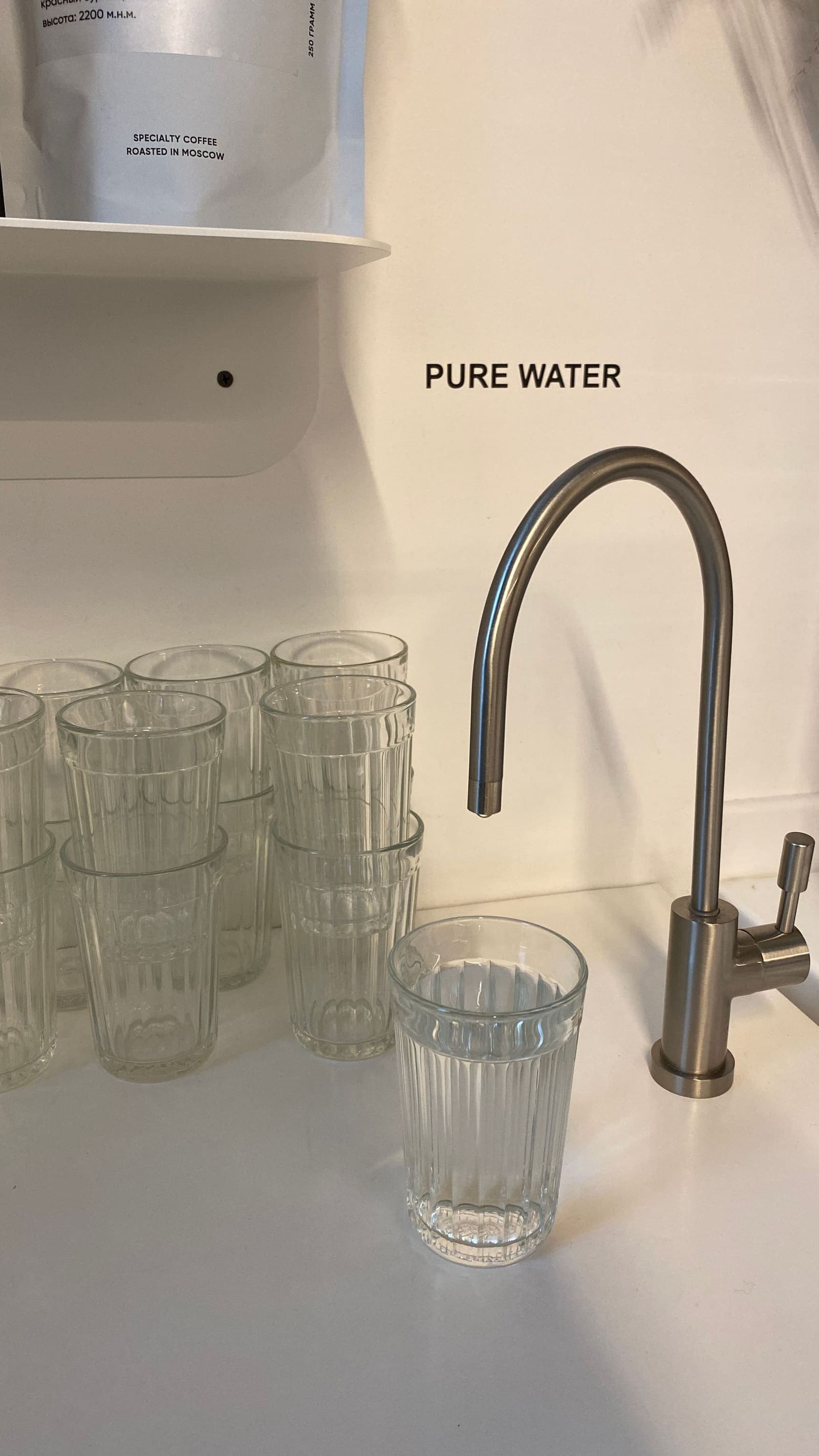
Water Filtration Systems at a glance
- Start with
- Your utility's Consumer Confidence Report, or a certified lab test for wells.
- Look for
- Certification to NSF/ANSI standards for the contaminants you care about.
- Whole-house
- Sediment, chlorine taste and odor, and some specialized treatments.
- Point-of-use
- Reverse osmosis and carbon block filters for drinking and cooking water.
Match the filter to the problem
| Concern | Typical treatment | Certification to look for |
|---|---|---|
| Chlorine taste and odor | Activated carbon | NSF/ANSI 42 |
| Lead and some health-related contaminants | Certified carbon block or RO | NSF/ANSI 53 (and 58 for RO) |
| Dissolved solids, many contaminants | Reverse osmosis | NSF/ANSI 58 |
| Sediment, sand, rust particles | Sediment filter | Rated micron size |
| Hardness | Water softener | Not a filter |
| Bacteria (private wells) | UV disinfection, after testing | Per manufacturer and health department guidance |
Whole-house vs. point-of-use
A whole-house system is installed on the main line, usually with a bypass valve, and protects every tap, including showers and appliances. A point-of-use system, most often under the kitchen sink, gives higher-level treatment for water you drink and cook with. Many homes use both: a sediment or carbon filter for the house and reverse osmosis for drinking water.
Upkeep matters
- Replace cartridges on schedule. An overdue filter can stop working and can even release trapped material.
- Reverse osmosis membranes and prefilters have their own schedules.
- Sanitize housings when changing cartridges, per the manufacturer.
- Keep a record of change dates on or near the unit.
Test the water before buying anything
City water comes with an annual water quality report from the utility, which lists what was detected and at what levels. It's the starting point, but it describes water leaving the treatment plant, not water after it passes through your service line and pipes. For lead, copper or a taste or smell that started in your home, test at the tap.
Private wells have no utility report, so the owner is responsible for testing. Many state health departments or certified labs offer well testing for bacteria, nitrate and common minerals. Test again after floods, repairs to the well, or a change in taste, color or smell.
- Certified performance: look for filters certified to NSF/ANSI standards for the specific contaminant you want reduced, not just a general claim.
- Flow rate: a whole-house filter must be sized for peak household flow, or water pressure drops when several fixtures run.
What affects the cost
- Point-of-use vs. whole-house
- What you're treating: basic sediment and carbon cost less than specialized systems
- Installation complexity: main-line bypass, drain and power for RO or UV
- Cartridge and membrane replacement costs over time
- Water testing before and after installation
We don't publish prices; they vary by market. Get a written quote first.
Problems that lead to water filtration systems
- Hot water smells like rotten eggsWhy only the hot water smells of sulfur, how the water heater's anode rod is involved, and the fixes that work, plus when the smell could be gas.
- Brown or rusty waterWhy tap water turns brown or rusty, how to tell a city main issue from corroding galvanized pipe or a water heater, and when to stop drinking it.
Common questions
How often do water filter cartridges need to be changed?
It depends on the system and how much water you use. Follow the manufacturer's capacity rating, and change sooner if flow drops or taste returns.
Do I need a whole-house water filter?
Only if testing shows a problem you want treated at every tap, such as sediment or chlorine taste. For drinking water concerns, a certified point-of-use system is often enough.
Does a water filter remove lead?
Some do. Look for certification to NSF/ANSI 53 (or 58 for RO) specifically listing lead reduction.