
Emergency plumbing
Gas line installation and repair
Short answer
Gas line work, whether adding a line for a range, dryer, generator or tankless water heater or repairing a leak, must be done by a professional licensed for gas work in your state, with a permit, a pressure test and an inspection. If you smell gas, leave the building immediately and call your gas utility or 911 from outside.
Updated · Editorial team; not yet technically reviewed
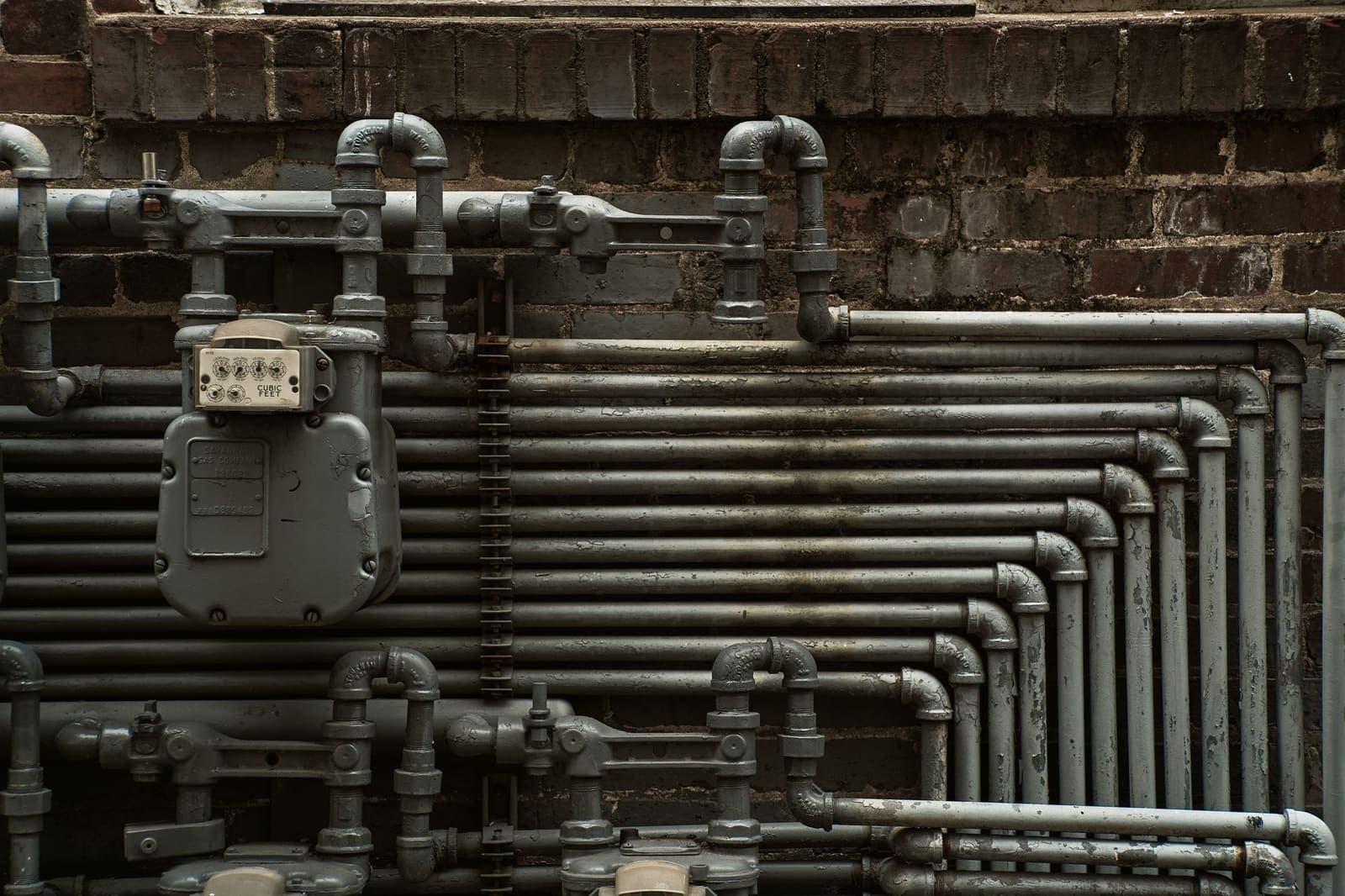
Gas Line Installation and Repair at a glance
- Smell gas?
- Leave now, don't touch switches, and call the gas utility or 911 from outside.
- Licensing
- Gas work licensing varies by state; some license gas fitters separately from plumbers.
- Sizing
- Pipe size depends on total appliance demand and pipe length.
- Materials
- Black steel, CSST (with bonding per manufacturer and code), and polyethylene underground.
If you suspect a gas leak
Leave
Get everyone out. Leave doors open behind you if it's safe.
Avoid sparks
Don't use light switches, phones, lighters or garage door openers, or start a car in an attached garage.
Call from outside
Your gas utility's emergency number or 911.
Repair after it's made safe
The utility shuts off and checks; a licensed professional makes the repair and pressure-tests the line.
Natural gas is odorized with a sulfur-like smell. A hissing sound near a line or appliance, or dead vegetation above a buried line, are other warning signs.
What a new gas line installation involves
- Load calculation: total BTU demand of all gas appliances, including future ones, determines pipe size. Adding a tankless heater or generator often exceeds what the existing piping can supply.
- Permit: gas piping almost always requires a permit and inspection.
- Materials: black steel, CSST (corrugated stainless steel tubing, which must be bonded to the electrical grounding system as required by the manufacturer and code), or polyethylene for buried runs.
- Shutoff and sediment trap: an accessible shutoff valve at each appliance and, where required, a sediment trap.
- Pressure test: the line is tested under pressure before being put into service, and the inspector often witnesses it.
Meter and utility coordination
Large added loads, such as a whole-house generator or several high-input appliances, may need a meter upgrade from the gas utility. The installer should confirm meter capacity and delivery pressure early, because utility scheduling can set the project timeline.
What affects the cost
- Distance from the meter or existing manifold to the appliance
- Pipe material (black steel, CSST or buried polyethylene) and any wall or floor penetrations
- Whether existing piping must be upsized for the total load
- Permit, pressure test and inspection
- Utility meter upgrade for large added loads
We don't publish prices; they vary by market. Get a written quote first.
Problems that lead to gas line installation and repair
Common questions
Why does a tankless water heater need a bigger gas line?
Tankless heaters burn a lot of gas at once to heat water instantly. The existing line sized for a tank heater often can't deliver that volume, which starves the unit and causes errors or lukewarm water.
Can a plumber install a gas line?
In many states, licensed plumbers can do gas piping; some states require a separate gas fitter license. Ask for the license that covers gas work and confirm it with the state board.
Do I need a permit to run a gas line?
Almost always. Gas piping work typically requires a permit, a pressure test and an inspection.