
Plumbing service
Toilet repair
Short answer
Most toilet problems come from a few inexpensive parts: a worn flapper or fill valve causes running, a failed wax ring causes leaks at the base, and clogged rim jets or a low water level cause a weak flush. These are usually repairable. A cracked bowl or tank means replacement.
Updated · Editorial team; not yet technically reviewed
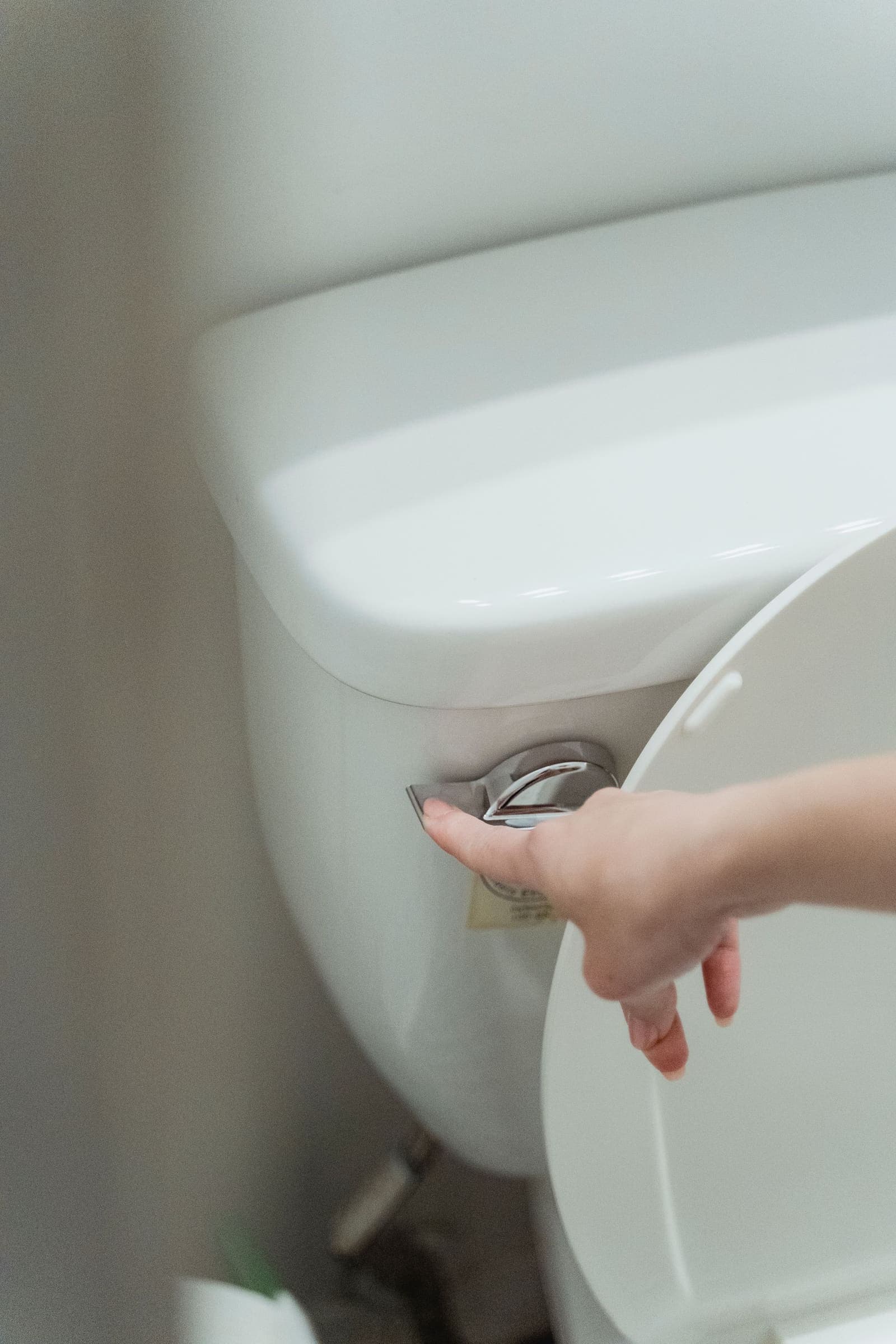
Toilet Repair at a glance
- Running
- Flapper not sealing, fill valve set too high, or a worn fill valve.
- Leak at the base
- Failed wax ring or loose flange bolts; can damage the subfloor if ignored.
- Weak flush
- Low tank water level, clogged rim jets, partial clog, or venting.
- Replace instead
- Cracks in the tank or bowl; see toilet installation.
A toilet that keeps running
Look in the tank
If water is flowing into the overflow tube, the fill valve or float is set too high. Lower it until the water sits about an inch below the top of the overflow tube.
Test the flapper
Add a few drops of food coloring to the tank. If color shows in the bowl within 15 minutes without flushing, the flapper is leaking.
Check the chain
Too tight and the flapper can't seal; too loose and it can catch underneath.
Replace worn parts
Flappers and fill valves are standard parts. Match the flapper size (commonly 2 or 3 inch) to the flush valve.
A running toilet can waste a lot of water unnoticed, so it's worth fixing promptly.
Water around the base
First rule out condensation on the tank and a leak from the supply line or the tank-to-bowl bolts. If water appears at the base after flushing, the wax ring seal between the toilet and the drain flange has likely failed. The fix is pulling the toilet and replacing the ring, and checking the flange. A soft or spongy floor around the toilet means the subfloor may be damaged and should be inspected.
Weak or incomplete flush
- Water level too low: adjust the fill valve.
- Clogged rim jets: mineral buildup in hard water blocks the holes under the rim; they can be cleaned.
- Partial clog: try a flanged plunger, then a closet auger.
- Venting problems: gurgling and slow flushing along with other slow drains may point to a blocked vent or a main line issue.
Clogs
Use a flanged plunger with a good seal and firm, steady strokes. If that fails, a closet auger is designed to clear the trap without scratching the porcelain. If toilets clog repeatedly or several drains are slow at once, the problem is likely further down the line.
Problems that lead to toilet repair
- Toilet keeps runningA running toilet wastes more water than any drip. Find whether it's the flapper, fill valve or chain with two quick tests, and when to replace parts.
- Toilet overflowingHow to stop an overflowing toilet right now, how to clear the clog safely, and the signs that the blockage is in the main sewer line instead.
- Sewer smell in the houseWhere sewer smells come from, in order of likelihood: dry traps, overflows, wax rings, vents, cleanouts and cracked pipes, and how to find yours.
- Water bill suddenly highWhat makes a water bill jump: running toilets, irrigation, hidden leaks, a billing estimate or a rate change. How to sort them out in under an hour.
- Water leaking from the ceilingWhat to do when water drips through a ceiling, how to tell a plumbing leak from a roof leak, and the bathroom sources most often behind it.
Common questions
Why does my toilet run every few minutes?
That's called ghost flushing: the tank slowly leaks into the bowl through a worn flapper, and the fill valve tops it back up. Replacing the flapper usually fixes it.
Can a leaking toilet damage the floor?
Yes. A slow leak at the wax ring can rot the subfloor over time. Fix base leaks promptly.