
Water quality
Backflow prevention: what it is and when your home needs testing
Updated · Editorial team; not yet technically reviewed
Short answer
Backflow is water flowing the wrong way, from a sprinkler system, pool, boiler or hose back into the public drinking water supply, usually when pressure drops in the main. A backflow preventer is a valve assembly that stops it. Homes with irrigation systems are the most common place you'll find one, and most water utilities require them to be tested by a certified tester, though how often varies from every year to every three years.
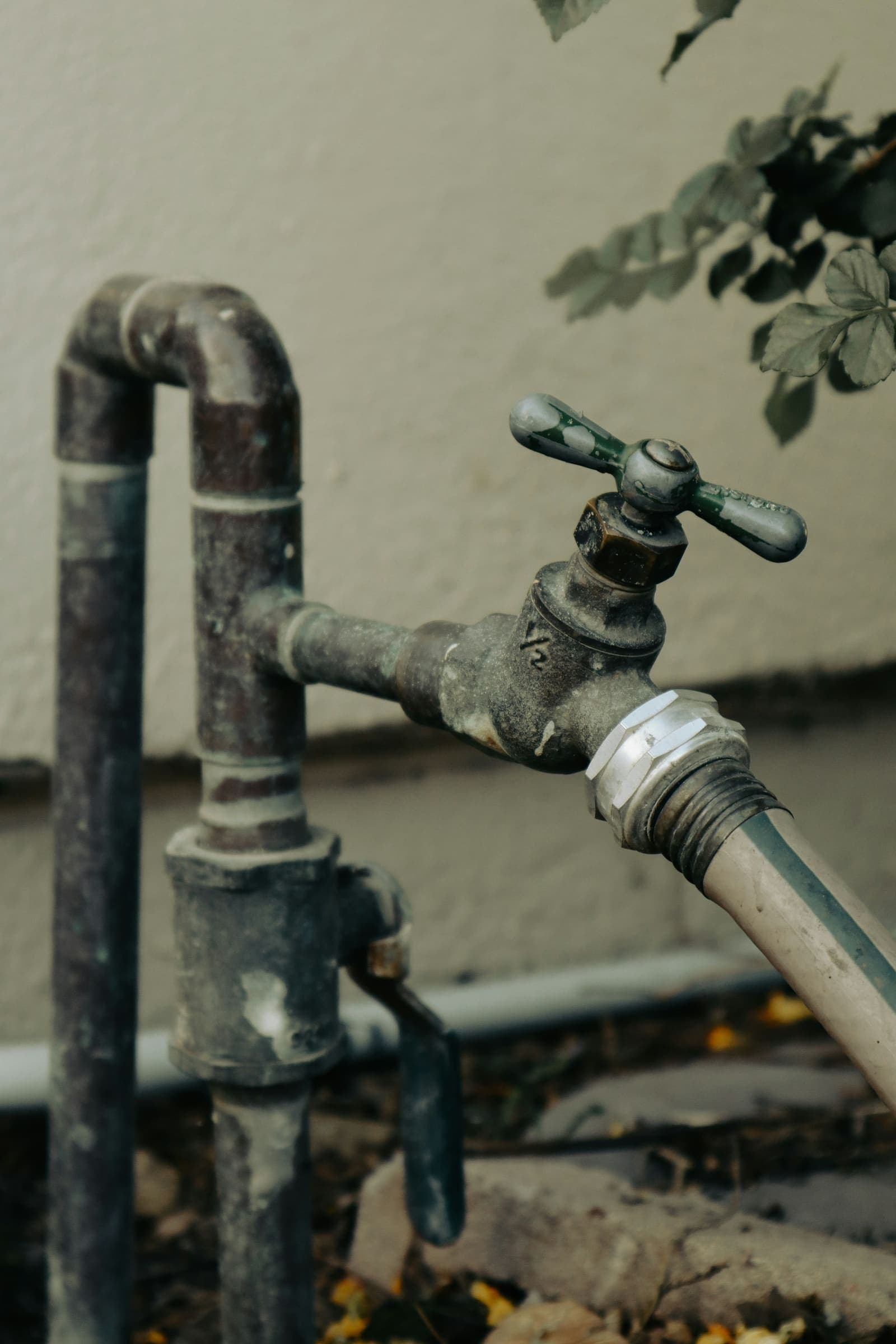
How backflow happens
- Back-siphonage: a water main break or heavy firefighting drops pressure, and water in your plumbing is pulled backward, carrying lawn chemicals or stagnant water with it.
- Backpressure: a pump, boiler or elevated tank pushes water at higher pressure than the supply, forcing it back into the main.
- Cross-connection: any link between drinking water and a non-drinking source, such as a hose left in a bucket or an irrigation system without protection.
Common backflow devices at homes
| Device | Typical use | Testable? |
|---|---|---|
| Hose bib vacuum breaker | Outdoor faucets | No |
| Pressure vacuum breaker (PVB) | Most lawn irrigation systems | Yes |
| Double check valve assembly | Some irrigation and fire lines | Yes |
| Reduced pressure principle assembly (RP) | Higher-hazard connections; required for all irrigation in some cities | Yes |
How testing rules differ by city
| City | Residential rule |
|---|---|
| Austin | TCEQ-licensed tester registered with Austin Water; report online within 5 days |
| Charlotte | Residential irrigation every 3 years; domestic yearly; RP required on irrigation |
| Colorado Springs | Annual for multifamily and dedicated irrigation; $405 fine for non-compliance |
| Denver | Annual; irrigation testing season May–September |
| Portland | At least yearly, ideally in spring; reminder letter with tester labels |
| Raleigh | Residential irrigation by July 1 every 3 years |
| Salt Lake City | Within 10 days of installation, then yearly |
| San Antonio | Yearly, results due June 30 |
| Seattle | Yearly by the anniversary of the last test |
| Tampa | Residential every 2 years; results within 7 days |
What a backflow test involves
Shut-off and connect
The tester closes the assembly's test valves and connects a differential pressure gauge.
Check each valve
Check valves must hold a minimum pressure difference; relief and air inlet valves must open when they should.
Pass or repair
A failing assembly gets new seals, springs or check parts and is retested.
Report
The tester files the result with the water utility, often online and within a set number of days.
Freeze protection
In cold climates, an irrigation backflow assembly left full of water can crack overnight. Shut off the irrigation supply, drain the assembly and blow out the lines before the first hard freeze; a cracked body is one of the most common reasons for a failed spring test. See backflow testing for testing and repair.
Common questions
Can backflow make my family sick?
It can. Backflow can pull fertilizer, pesticides, pool chemicals or stagnant water into drinking water lines, which is why utilities require protection.
Does every house need a backflow preventer?
Not every house, but homes with irrigation systems, pools, boilers, wells or other cross-connections usually need one; your water utility decides what's required.
Why do utilities require backflow tests?
Internal springs and seals wear out, and only a test with gauges confirms the assembly still protects the drinking water supply.
Is a hose bib vacuum breaker enough?
For a garden hose, often yes. Irrigation systems need a testable assembly such as a PVB or RP.
Why is my backflow preventer spraying water?
An RP assembly discharging continuously, or a PVB leaking from its bonnet, usually needs new internal parts or has freeze damage.
Why do backflow rules differ between cities?
State law sets minimums, but each water utility runs its own cross-connection program, so frequency, deadlines and reporting differ.
General information; codes vary by location. See our editorial standards.