
Pipe problems
Types of plumbing pipes: how to identify yours
Updated · Editorial team; not yet technically reviewed
Short answer
Most homes have copper, PEX or CPVC supply pipes and PVC, ABS or cast iron drains. Older homes may still have galvanized steel, polybutylene or even lead supply lines, and clay or Orangeburg sewer laterals, which are the materials most likely to fail. You can usually identify a pipe by its color, how it's joined and whether a magnet sticks.
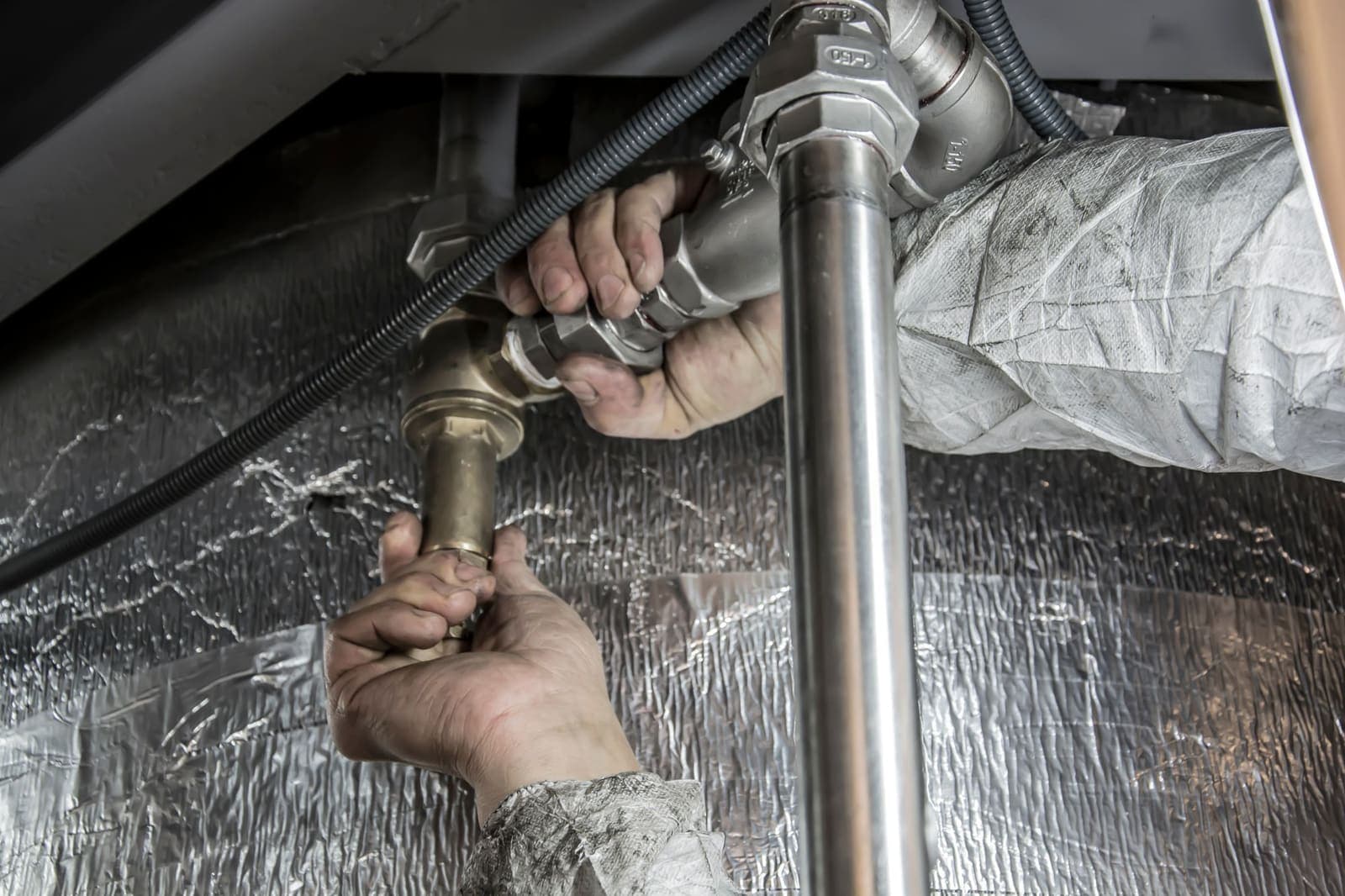
Water supply pipes
| Material | How to recognize it | What to know |
|---|---|---|
| Copper | Penny-colored metal with soldered joints | Long-lasting; can develop pinhole leaks with aggressive water |
| PEX | Flexible plastic, often red, blue or white, with crimp or expansion fittings | Common in repipes; resists freezing better than rigid pipe |
| CPVC | Rigid cream or tan plastic with glued joints | Can become brittle with age |
| Galvanized steel | Gray, threaded joints; a magnet sticks | Rusts inside, causing low pressure and brown water |
| Polybutylene | Gray (sometimes blue or black) flexible plastic, 1978–1995 era | Known for sudden failures; many owners replace it |
| Lead | Dull gray, soft, scratches to shiny silver; magnet doesn't stick | Replace; see lead service lines |
Drain and sewer pipes
| Material | How to recognize it | What to know |
|---|---|---|
| PVC | White rigid plastic | Standard for modern drains and sewers |
| ABS | Black rigid plastic | Common in some regions; durable |
| Cast iron | Heavy black metal, often with hub joints | Rusts and cracks with age, especially along the bottom |
| Clay (vitrified) | Reddish-brown sections, usually underground | Joints let roots in |
| Orangeburg | Black fiber pipe, mid-1900s sewers | Deforms and collapses; usually replaced |
What your home's age suggests
- Before about 1960: galvanized supply lines, cast iron drains, clay or Orangeburg sewers, and possibly lead service lines.
- 1960s–1970s: copper supply becomes common; cast iron and early plastic drains.
- 1978–1995: polybutylene supply lines in some homes.
- Since the 1990s: copper, CPVC and increasingly PEX supply; PVC or ABS drains.
When pipe material means it's time to replace
Repeated leaks, rusty or brown water, falling pressure and known problem materials (galvanized, polybutylene, lead, Orangeburg) are signs that replacing beats repairing. See repiping for supply lines and sewer line replacement for sewers.
Common questions
How can I tell if my pipes are galvanized?
Galvanized steel is dull gray with threaded joints, and a magnet sticks to it; scratching shows gray metal, not shiny silver.
Is polybutylene pipe dangerous?
It isn't toxic, but it's known for sudden failures, and some insurers limit coverage, so many owners replace it.
Is PEX better than copper?
Both are good. PEX is flexible, quicker to install and resists freezing better; copper is long-proven and rigid.
How long do cast iron drain pipes last?
Many last for decades, but older cast iron often cracks or corrodes along the bottom, causing leaks and clogs.
How do I find out what my sewer line is made of?
A camera inspection shows the pipe material and condition; the cleanout cap area or basement wall penetration can also give a clue.
Can I have more than one pipe type in my house?
Yes, most older homes have a mix from repairs and remodels over the years.
General information; codes vary by location. See our editorial standards.