
Fixtures
Running toilet troubleshooting
Updated · Editorial team; not yet technically reviewed
Short answer
A toilet runs for one of three reasons: the flapper leaks so the tank slowly drains and refills, the water level is set too high so water spills into the overflow tube, or the fill valve doesn't shut off. A few drops of food coloring in the tank tell you if the flapper leaks; a water line above the overflow tube means the float needs adjusting.
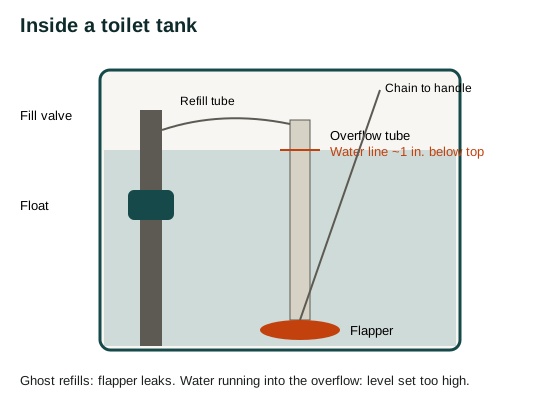
Know the parts
The fill valve refills the tank; the float tells it when to stop. The flapper seals the bottom until you flush. The overflow tube is a safety drain if the level rises too high.
Step by step
Dye test
Add food coloring to the tank and wait 15 minutes without flushing. Color in the bowl means the flapper leaks.
Check the level
Water should sit about an inch below the top of the overflow tube; lower the float if it's spilling in.
Check the chain
Too short holds the flapper open; too long can tangle under it.
Replace worn parts
Flappers and fill valves are inexpensive; match the flapper size to the flush valve.
Why it's worth fixing
A running toilet can waste a lot of water and is a frequent cause of high water bills. If adjustments don't fix it, see toilet repair.
We don't publish prices; they vary by market. Get a written quote first.
Buying the right replacement parts
Take the old flapper or fill valve to the store, or note the toilet brand and model stamped inside the tank. Flappers come in 2-inch and 3-inch sizes, and some toilets use proprietary canister or tower flush valves that a universal flapper won't seal. A universal fill valve fits most toilets, but its height must be adjustable so the critical level mark sits about an inch above the overflow tube.
Shut off the supply valve and flush to empty the tank before starting; keep a towel and sponge handy for the remaining water. Replace the supply line at the same time if it's an old braided or plastic hose. If the tank-to-bowl bolts or gasket leak, or the shutoff valve won't close fully, the job grows beyond a quick part swap, and calling a plumber prevents a slow leak onto the floor.
Common questions
Why does my toilet refill on its own?
Usually a leaking flapper lets water seep into the bowl until the fill valve tops up the tank.
How high should toilet tank water be?
About an inch below the top of the overflow tube, or at the line marked in the tank.
How do I do a toilet dye test?
Add food coloring to the tank, wait 15 minutes without flushing, and look for color in the bowl.
Can the flush chain cause a running toilet?
Yes; too short keeps the flapper open, too long can get caught under it.
When should a fill valve be replaced?
When it won't shut off after adjusting the float, or hisses constantly.
Are toilet flappers universal?
No; they come in 2-inch and 3-inch sizes and different styles, so match yours.
General information; codes vary by location. See our editorial standards.