
Fixtures
Toilet rebates: how to get paid for a water-saving toilet
Updated · Editorial team; not yet technically reviewed
Short answer
Many water utilities pay rebates when you replace an older, high-flow toilet with a high-efficiency model. Most require a WaterSense-certified toilet (1.28 gallons per flush or less), some require a premium 1.1-gallon model, and many limit rebates to homes built before a certain year. Check your utility's rules before you buy, since substitutions are often rejected.
Which toilets qualify
| Requirement | What it means |
|---|---|
| WaterSense label | EPA-certified to use 1.28 gallons per flush or less and pass flushing tests |
| Premium / 1.1 gpf | Some utilities pay more, or only, for 1.1 gpf models |
| MaP score | Independent flushing performance rating; some programs require MaP Premium |
| Home age | Many programs require a home built before a cutoff year |
| Inspection or proof | Receipts, model numbers, photos or an inspection |
Examples from U.S. cities
| City | Rebate |
|---|---|
| Albuquerque | $200 per high-flow toilet replaced; $50 to upgrade a 1.6 gpf toilet |
| Los Angeles | Up to $250 for a 1.1 gpf premium toilet (LADWP) |
| Miami | Pre-1996 homes; WaterSense only; senior homeowners up to $100 and $75 |
| San Antonio | SAWS high-efficiency toilet rebate |
| Tucson | $100 per MaP Premium toilet for pre-2011 homes |
Getting the rebate
Read the rules first
Confirm eligibility, the qualifying models list and whether pre-approval is needed.
Buy a qualifying model
Match the flush volume and certification exactly.
Install it properly
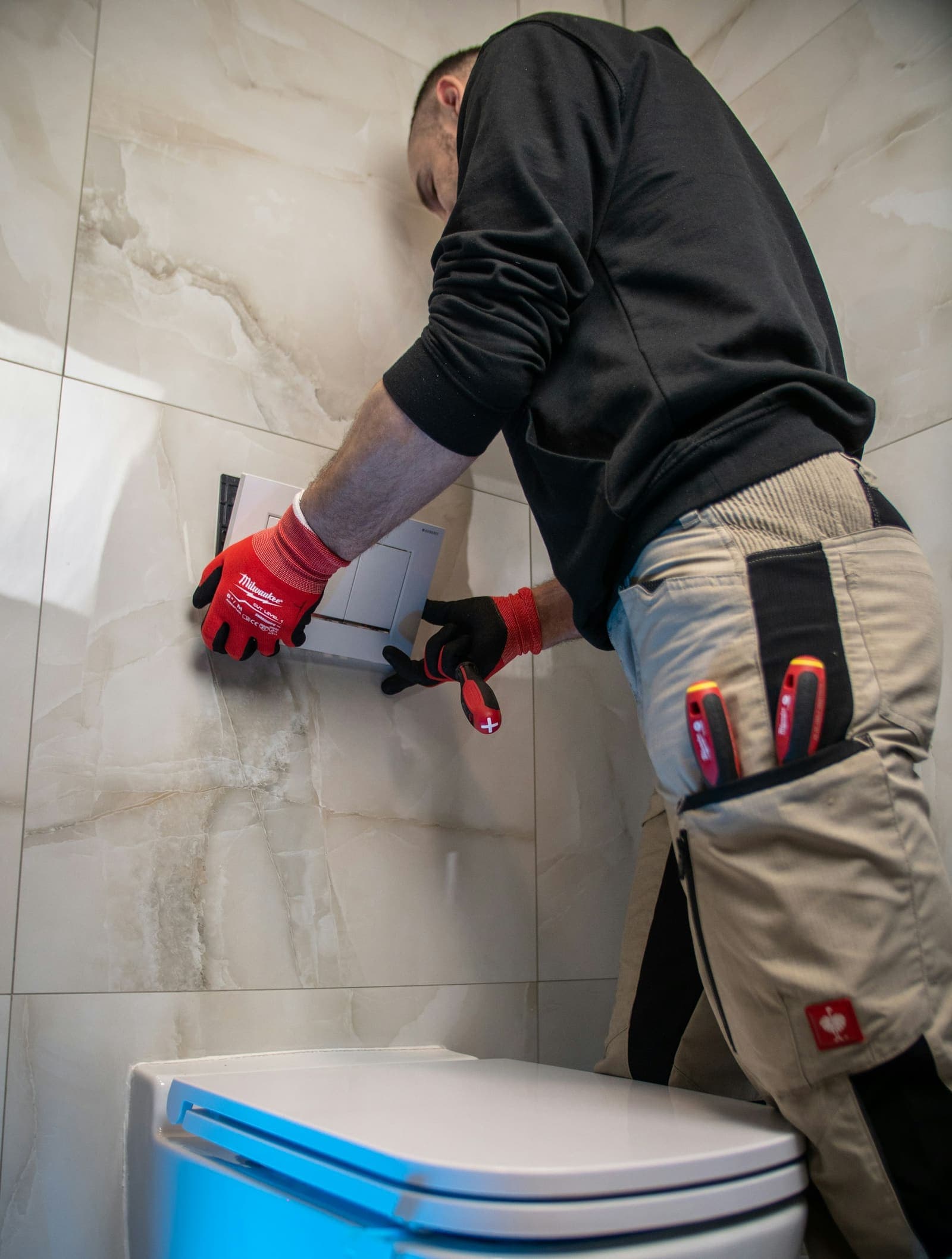
Replace the wax ring and, if worn, the shutoff valve and supply line. See toilet installation.
Apply with proof
Submit receipts, model numbers and any required photos or inspection.
Is it worth it?
Toilets are often the largest indoor water use. Replacing a 3.5-gallon toilet from before the 1990s with a 1.28- or 1.1-gallon model cuts each flush by more than half, and the rebate offsets part of the cost. If your toilet runs or leaks between flushes, fix that too; see toilet keeps running.
Before you buy a rebate toilet
Read the rebate rules before buying, not after. Many programs require a specific efficiency label such as WaterSense, a maximum flush volume, proof that an older higher-flow toilet was replaced, an itemized receipt and the model number, and sometimes a pre-approval or inspection. Rebates are often limited to a set number of toilets per address and may end when funds run out.
Pick the toilet for performance, not just the rebate. Look for independent flush tests, the rough-in distance that matches your floor drain (12 inches is most common), and bowl height and shape that suit the household. If a plumber installs it, keep the invoice, since some programs reimburse installation or ask for proof that the old toilet was recycled.
Common questions
Do toilet rebates apply to commercial buildings?
Some utilities include commercial and multifamily properties, often with separate limits; check your utility's program.
Why do some rebates require 1.1 gallons per flush?
Utilities facing water shortages pay more for premium models that save even more water.
Do low-flow toilets clog more?
Older 1990s designs could; modern high-efficiency toilets with good MaP scores flush reliably.
Can I get a rebate if I install the toilet myself?
Many programs allow it, but they require receipts, model numbers and sometimes photos or an inspection.
Why does my home's age matter for toilet rebates?
Programs target older homes most likely to have high-flow toilets, using a build-year cutoff.
Can renters get toilet rebates?
It depends on the program; the account holder and owner usually need to agree.
General information; codes vary by location. See our editorial standards.