
Chesapeake city · Virginia Beach–Chesapeake–Norfolk metro
Plumbing Services in Chesapeake, VA
Frozen PipesStorms
Chesapeake is one of Virginia's largest cities by land area, mixing suburbs, farmland and wetlands. Its water depends on where you live: the city runs two treatment plants and buys treated water from Norfolk and Portsmouth for other areas. Flat, low ground and high water tables shape drainage and sewer calls.
Chesapeake plumbing at a glance
The most common plumbing calls in Chesapeake, VA are sump pump repair and installation, sewer line repair and water heater replacement. The median home was built in 1988, and 35% of homes predate 1980.
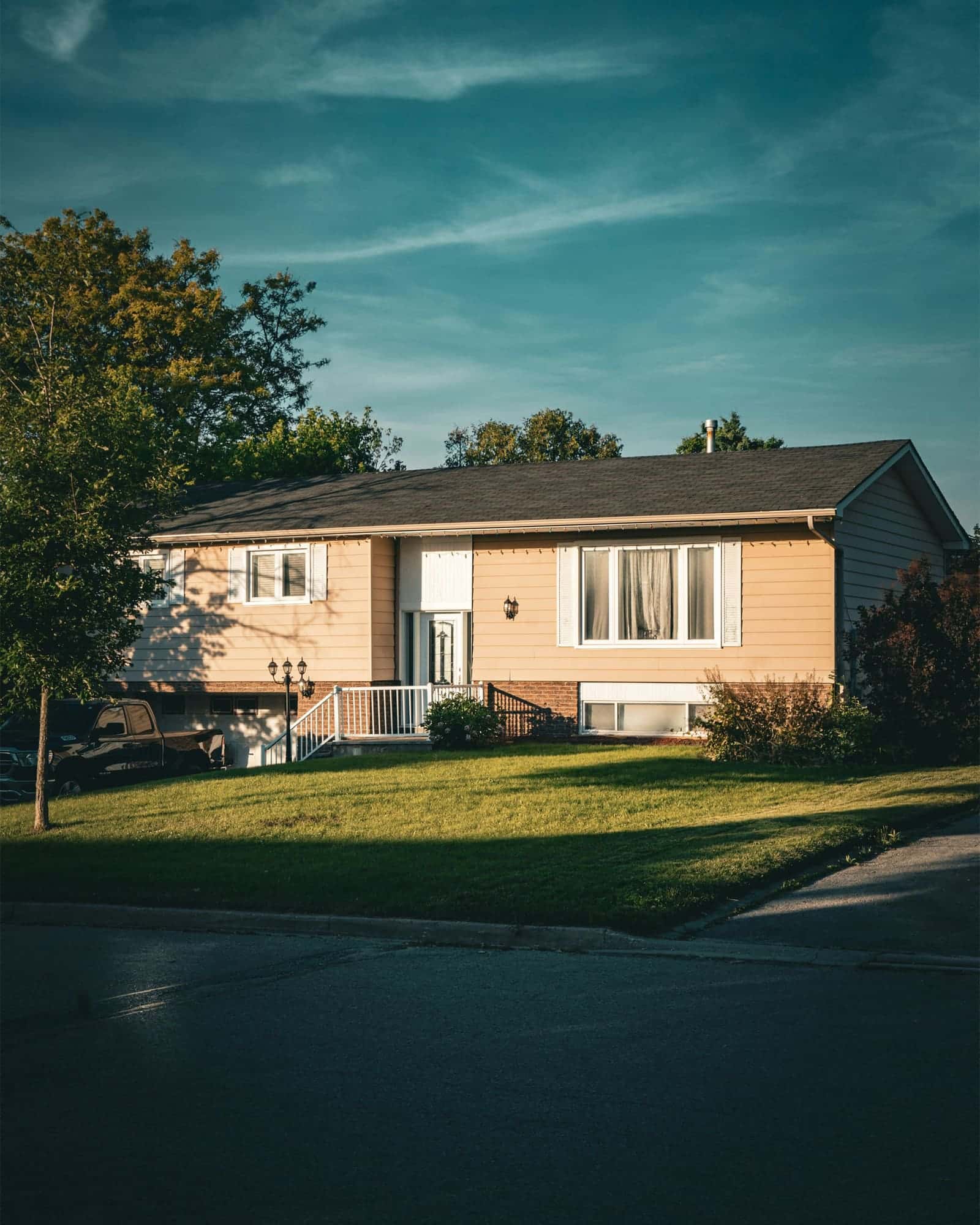
- Median home built
- 1988
- Built before 1980
- 35%
- Owner-occupied
- 72%
- Water hardness
- See below
- Winter
- Regular hard freezes
- Plumbing code
- Local
What Chesapeake homeowners call plumbers about
- Sump Pump Repair and Installation
Low, flat ground and a high water table keep crawlspaces wet after heavy rain.
- Sewer Line Repair
Older clay laterals in South Norfolk and Indian River crack and admit roots.
- Water Heater Replacement
Tank heaters in garages and crawlspace homes wear out in the humid coastal climate.
Emergency plumbing in Chesapeake
Call (833) 878-1592Shut off your main water supply if it's safe to do so. The emergencies below are listed most likely first for Chesapeake homes, based on local conditions.
Frozen pipe risk in Chesapeake
Regular hard freezes · median home built 1988
Where Chesapeake's water comes from
Chesapeake produces about 15 million gallons a day from the Northwest River Water Treatment Plant, which treats river water and brackish groundwater from four wells, and the Lake Gaston Water Treatment Plant; customers in Indian River and South Norfolk receive treated water bought from Norfolk, and Western Branch and Deep Creek from Portsmouth. [1]
Polybutylene-era homes in Chesapeake
The median home in Chesapeake was built in 1988, and 35% of homes predate 1980. Homes from that era were typically built with copper or CPVC supply, plastic drains, and in some homes gray polybutylene supply pipe.
- Galvanized steel supply (1900–1960)
- Copper supply (1950–2000)
- Polybutylene (some homes) (1978–1996)
- PEX / CPVC (1995–today)
Heavy rain and storms
Plumbing services for Chesapeake homes
Every plumbing service in Chesapeake
Services marked “Chesapeake guide” have a page on local rules and conditions; the rest link to the full service guide, which applies here too.
- Backflow Testing
- Bathroom Remodel Plumbing
- Burst Pipe Repair
- Drain Cleaning
- Emergency Plumber
- Faucet Repair and Replacement
- Frozen Pipe Repair
- Garbage Disposal Repair and Installation
- Gas Line Installation and Repair
- Kitchen Remodel Plumbing
- Leak Detection
- Outdoor Faucet and Hose Bib Repair
- Pipe Repair
- Repiping
- Sewer Backup
- Sewer Camera Inspection
- Sewer Line Repair
- Sewer Line Replacement
- Shower & Bathtub Plumbing
- Slab Leak Repair
- Sump Pump Repair and Installation
- Tankless Water Heaters
- Toilet Installation
- Toilet Repair
- Trenchless Sewer Repair
- Water Filtration Systems
- Water Heater Repair
- Water Heater Replacement
- Water Line Repair
- Water Pressure Problems
- Water Softener Installation
- Well Pump Repair
Chesapeake plumbing questions
Why does Chesapeake water taste different in different neighborhoods?
Because it comes from different places. Southern areas usually get Northwest River plant water, Indian River and South Norfolk get water bought from Norfolk, and Western Branch and Deep Creek get Portsmouth water.
Does Chesapeake treat salty groundwater?
Yes. The Northwest River plant treats brackish water from four wells along South Battlefield Boulevard in addition to river water.
How do I keep a Chesapeake crawlspace dry?
Keep gutters and downspouts discharging well away from the foundation, make sure the sump pump starts when you pour water in its pit, and have a plumber check for leaking supply or drain lines, since standing water under a house speeds rot and mold.
Are hurricanes a plumbing risk in Chesapeake?
Storm surge and heavy rain can back sewers into low fixtures and flood crawlspace equipment. A backwater valve and raising the water heater and well or sump equipment above expected water levels reduce damage.
Sources (2)
- U.S. Census Bureau, ACS 2024 1-year (B25035) · checked 2026-10-01
- City of Chesapeake, Plants & Sources · checked 2026-10-04