
Caddo Parish · Shreveport–Bossier City metro
Plumbing Services in Shreveport, LA
Older PipesFreeze Risk
Shreveport's water comes from Cross Lake, treated at the T. L. Amiss plant that dates to 1930. Aging water and sewer infrastructure, clay soils and hot summers make leaks, water line breaks and sewer problems the most common calls.
Shreveport plumbing at a glance
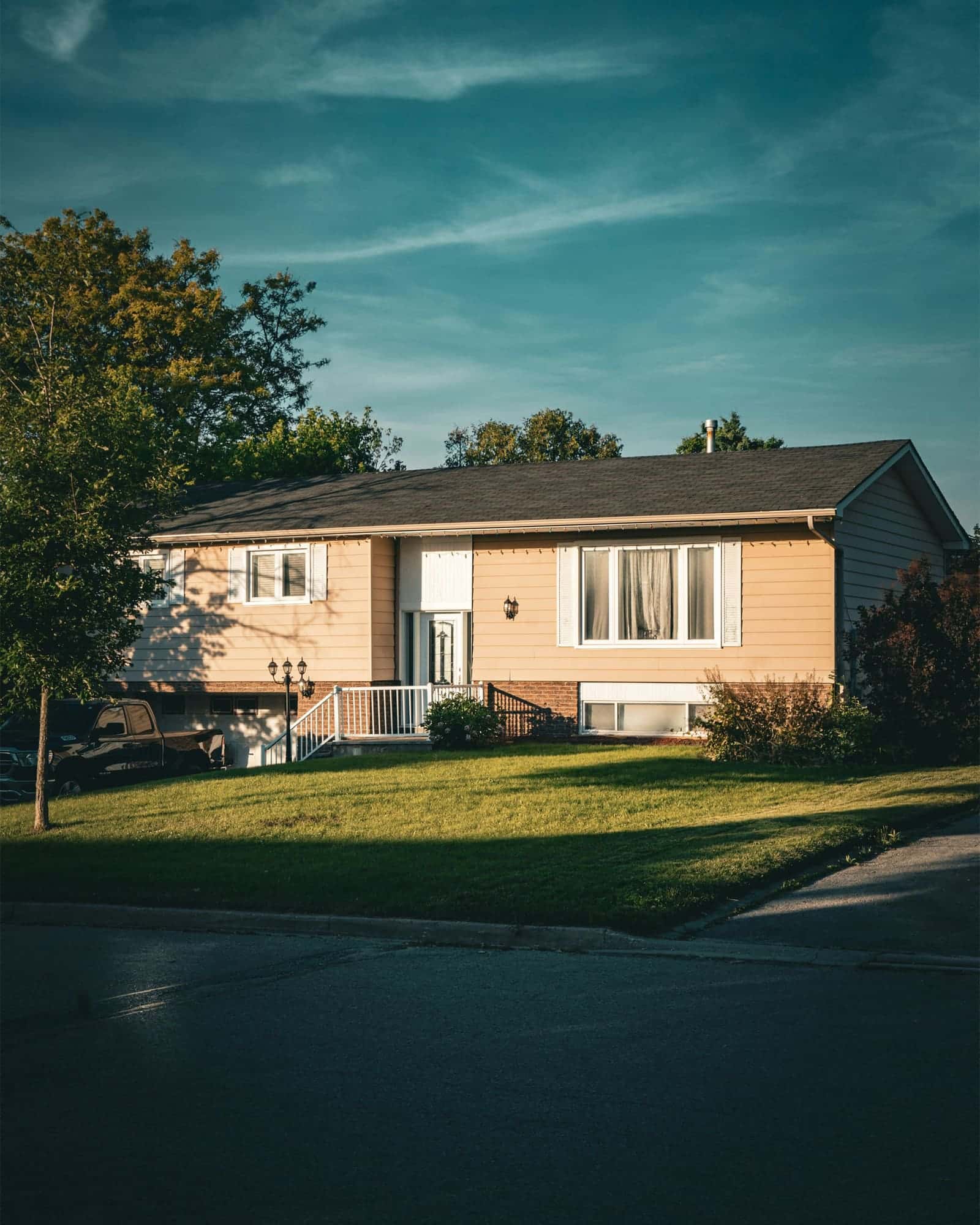
The most common plumbing calls in Shreveport, LA are water line repair, slab leak repair and sewer line repair. The median home was built in 1974, and 62% of homes predate 1980.
- Median home built
- 1974
- Built before 1980
- 62%
- Owner-occupied
- 56%
- Water hardness
- See below
- Winter
- Occasional hard freezes
- Plumbing code
- Local
Common repairs in Shreveport homes
- Water Line Repair
Clay soils shrink and swell, breaking older service lines between the meter and house.
- Slab Leak Repair
Slab homes on expansive clay develop leaks in lines under the foundation.
- Sewer Line Repair
Older clay sewer laterals crack and admit roots.
Emergency plumbing in Shreveport
Call (833) 878-1592Shut off your main water supply if it's safe to do so. The emergencies below are listed most likely first for Shreveport homes, based on local conditions.
Shreveport's 1970s housing and its pipes
The median home in Shreveport was built in 1974, and 62% of homes predate 1980. Homes from that era were typically built with copper supply, early plastic (ABS or PVC) drains, some cast iron.
- Galvanized steel supply (1900–1960)
- Copper supply (1950–2000)
- Polybutylene (some homes) (1978–1996)
- PEX / CPVC (1995–today)
Where Shreveport's water comes from
The T. L. Amiss Water Treatment Plant supplies Shreveport using Cross Lake as its source, with water pumped from Twelve Mile Bayou to supplement the lake in dry seasons. [1]
When Shreveport gets a hard freeze
Occasional hard freezes · 62% of Shreveport homes were built before 1980
Heavy rain and storms
Plumbing services for Shreveport homes
Every plumbing service in Shreveport
Services marked “Shreveport guide” have a page on local rules and conditions; the rest link to the full service guide, which applies here too.
- Backflow Testing
- Bathroom Remodel Plumbing
- Burst Pipe Repair
- Drain Cleaning
- Emergency Plumber
- Faucet Repair and Replacement
- Frozen Pipe Repair
- Garbage Disposal Repair and Installation
- Gas Line Installation and Repair
- Kitchen Remodel Plumbing
- Leak Detection
- Outdoor Faucet and Hose Bib Repair
- Pipe Repair
- Repiping
- Sewer Backup
- Sewer Camera Inspection
- Sewer Line Repair
- Sewer Line Replacement
- Shower & Bathtub Plumbing
- Slab Leak Repair
- Sump Pump Repair and Installation
- Tankless Water Heaters
- Toilet Installation
- Toilet Repair
- Trenchless Sewer Repair
- Water Filtration Systems
- Water Heater Repair
- Water Heater Replacement
- Water Line Repair
- Water Pressure Problems
- Water Softener Installation
- Well Pump Repair
Shreveport plumbing questions
Where does Shreveport's water come from?
From Cross Lake, treated at the T. L. Amiss plant, supplemented with Twelve Mile Bayou water in dry seasons.
Why does Shreveport tap water sometimes taste earthy?
Algae in Cross Lake can produce geosmin, which causes an earthy taste and smell even though the water is treated.
Why are slab leaks common in Shreveport?
Expansive clay soil moves with wet and dry seasons, stressing pipes under slabs.
What should Shreveport homeowners do when a water main break is announced?
Follow any boil advisory until the city lifts it, then run cold taps for a few minutes to clear air and sediment. Clean faucet aerators and check that the water heater isn't pulling in discolored water; if pressure stays low after service returns, a clogged strainer or a leak on your service line may be the cause.
Sources (2)
- U.S. Census Bureau, ACS 2024 1-year (B25035) · checked 2026-10-01
- City of Shreveport, Water Purification · checked 2026-10-04