
Muscogee County · Columbus metro
Plumbing Services in Columbus, GA
Older PipesFreeze Risk
Columbus, on the Chattahoochee River at the Alabama line, has drawn its water from the river since the early 1900s. Columbus Water Works serves the city and Fort Benning. Mature neighborhoods with older pipe, clay soils and humid summers drive the plumbing calls.
Columbus plumbing at a glance
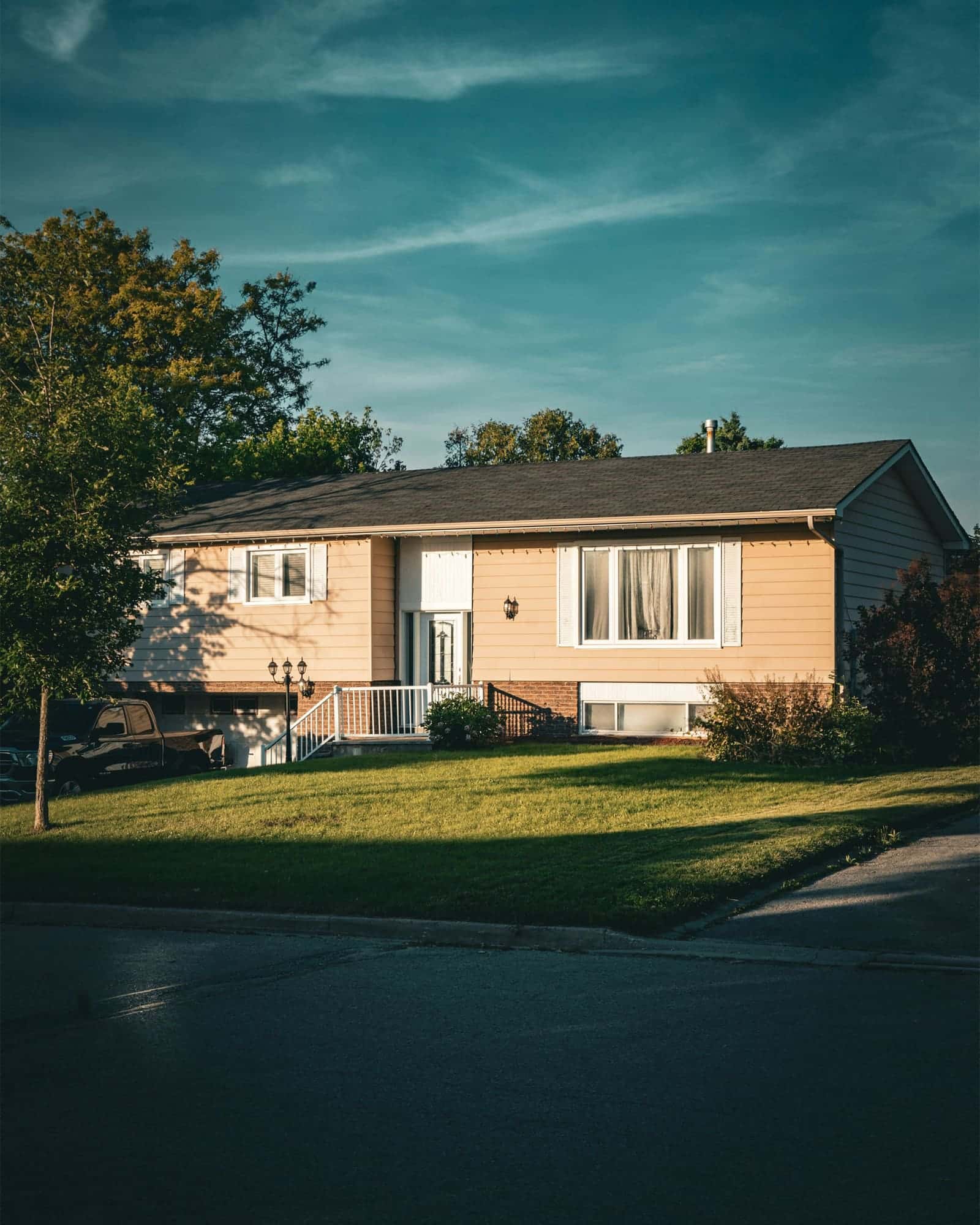
The most common plumbing calls in Columbus, GA are sewer line repair, repiping and water heater replacement. The median home was built in 1980, and 50% of homes predate 1980.
- Median home built
- 1980
- Built before 1980
- 50%
- Owner-occupied
- 53%
- Water hardness
- See below
- Winter
- Occasional hard freezes
- Plumbing code
- Local
The plumbing calls that come up most in Columbus
- Sewer Line Repair
Clay laterals under Midtown's older homes crack and admit roots.
- Repiping
Mid-century homes still have galvanized supply pipe that corrodes from the inside.
- Water Heater Replacement
Hot, humid summers and heavy use shorten tank life in garages and closets.
Emergency plumbing in Columbus
Call (833) 878-1592Shut off your main water supply if it's safe to do so. The emergencies below are listed most likely first for Columbus homes, based on local conditions.
Polybutylene-era homes in Columbus
The median home in Columbus was built in 1980, and 50% of homes predate 1980. Homes from that era were typically built with copper or CPVC supply, plastic drains, and in some homes gray polybutylene supply pipe.
- Galvanized steel supply (1900–1960)
- Copper supply (1950–2000)
- Polybutylene (some homes) (1978–1996)
- PEX / CPVC (1995–today)
Where Columbus's water comes from
Columbus Water Works' North Columbus Water Resources Facility withdraws raw water from Lake Oliver, an impoundment on the Chattahoochee River, and the Fort Benning plant withdraws directly from the river; the original treatment plant was built in 1915. [1]
When Columbus gets a hard freeze
Occasional hard freezes · 50% of Columbus homes were built before 1980
Heavy rain and storms
Plumbing services for Columbus homes
Every plumbing service in Columbus
Services marked “Columbus guide” have a page on local rules and conditions; the rest link to the full service guide, which applies here too.
- Backflow Testing
- Bathroom Remodel Plumbing
- Burst Pipe Repair
- Drain Cleaning
- Emergency Plumber
- Faucet Repair and Replacement
- Frozen Pipe Repair
- Garbage Disposal Repair and Installation
- Gas Line Installation and Repair
- Kitchen Remodel Plumbing
- Leak Detection
- Outdoor Faucet and Hose Bib Repair
- Pipe Repair
- Repiping
- Sewer Backup
- Sewer Camera Inspection
- Sewer Line Repair
- Sewer Line Replacement
- Shower & Bathtub Plumbing
- Slab Leak Repair
- Sump Pump Repair and Installation
- Tankless Water Heaters
- Toilet Installation
- Toilet Repair
- Trenchless Sewer Repair
- Water Filtration Systems
- Water Heater Repair
- Water Heater Replacement
- Water Line Repair
- Water Pressure Problems
- Water Softener Installation
- Well Pump Repair
Columbus plumbing questions
Where does Columbus, Georgia get its water?
From the Chattahoochee River. The main plant draws from Lake Oliver, a reservoir on the river, and a second plant serves Fort Benning.
Who handles a sewer backup in Columbus?
Columbus Water Works maintains the public sewer main; the lateral from the house to the main is usually the owner's. If neighbors are also backing up, call the utility first.
Are Midtown Columbus homes likely to have old sewer lines?
Yes. Many homes there date to the early and mid 1900s, when clay and cast iron were standard, so root intrusion and cracked joints are common. A camera inspection before buying is worthwhile.
How do clay soils affect Columbus plumbing?
Clay swells when wet and shrinks in drought, which can shift slabs and laterals. Slow drains, sewer smells or new cracks in floors can point to pipe movement.
Sources (2)
- U.S. Census Bureau, ACS 2024 1-year (B25035) · checked 2026-10-01
- Columbus Water Works, Annual Comprehensive Financial Report · checked 2026-10-04