
Milwaukee, WI
Basement sewer backups in Milwaukee
Updated · Editorial team; not yet technically reviewed
Short answer
Much of central Milwaukee has combined sewers that carry stormwater and sewage together, so heavy rain can push sewage into basements. MMSD requires downspout disconnection for homes of four units or fewer in the Combined Sewer Area, and MMSD's Pipe Check and the City's lateral programs help reduce clear water entering sewers.
What's different in Milwaukee
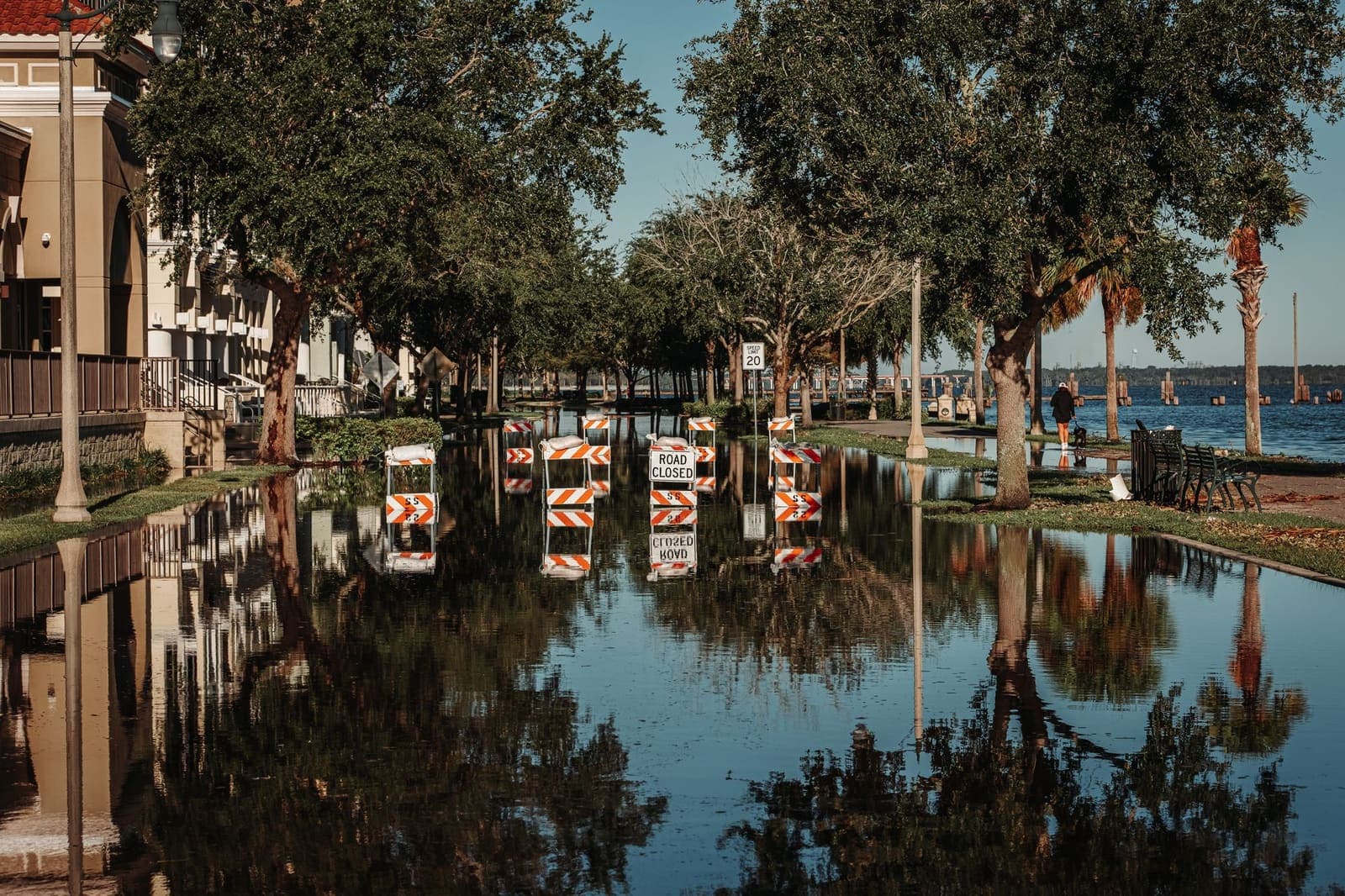
Milwaukee's combined sewer system carries rainwater and sanitary sewage to MMSD's treatment plant; during storms, connected downspouts can overwhelm sewers, causing street flooding, basement sewage backups and overflows. [1]
During heavy rain, every downspout on a home can send 12 gallons of water a minute into the sewer system. [1]
MMSD rules require downspout disconnection at residential properties of four units or fewer in the Combined Sewer Area. [1]
MMSD's Pipe Check program offers homeowners financial incentives toward comprehensive lateral replacement and disconnecting clear water sources from the sanitary sewer; the City's Private Property Infiltration and Inflow program has done lateral rehabilitation and foundation drain disconnection at no cost to residents. [2]
Why combined sewers matter
In the Combined Sewer Area, the same pipe carries rain and sewage. Every gallon of roof water that goes into the sewer takes up space sewage needs, so storms can push wastewater back up the lowest drain in your house, usually a basement floor drain.
Reducing your risk
| Step | Why it helps |
|---|---|
| Disconnect downspouts (required in the Combined Sewer Area for 1–4 units) | Keeps up to 12 gallons a minute per downspout out of the sewer |
| Replace a leaky lateral (ask about MMSD Pipe Check) | Stops groundwater seeping into the sewer |
| Disconnect foundation drains from the sanitary sewer | Removes another clear-water source |
| Install a backwater valve where allowed | Blocks sewage from flowing back into the house |
During and after a backup
Stop using water, keep away from sewage, and document damage before cleanup. Then have a plumber check whether the cause is your lateral or the public sewer. See sewer backup cleanup and repair and sump pump repair for drainage options.
What Milwaukee homeowners usually check next
- SymptomDrain backing up
- SymptomBasement flooding
Common questions
Why does my Milwaukee basement back up when it rains?
In the combined sewer area, stormwater and sewage share pipes, so heavy rain can overload them and push sewage into basements.
Do I have to disconnect my downspouts in Milwaukee?
Yes, for residential properties of four units or fewer in the Combined Sewer Area, under MMSD rules.
How much water does a Milwaukee downspout send to the sewer?
Up to about 12 gallons a minute per downspout during heavy rain.
What is MMSD's Pipe Check program?
It offers homeowners financial incentives toward lateral replacement and disconnecting clear-water sources from the sanitary sewer.
How do I disconnect a downspout?
Cut the downspout, add an elbow and extension to send water onto a grassy area away from the house, and cap the standpipe.
Has Milwaukee repaired laterals for free?
Past City PPII projects rehabilitated laterals and disconnected foundation drains at no cost to residents in project areas.
Will a backwater valve stop Milwaukee basement backups?
It can block sewage flowing back from the main, where code allows; a plumber can advise on installation.
What is the Combined Sewer Area in Milwaukee?
The older central part of the region where one pipe system carries both stormwater and sewage.
Should I photograph sewer backup damage?
Yes, before cleanup, for insurance and any claims.
Can foundation drains cause Milwaukee backups?
Foundation drains connected to the sanitary sewer add clear water during storms, which raises backup risk.
More plumbing help in Milwaukee
- Water Line Repair in MilwaukeeHow Milwaukee's lead service line rules work: when full replacement is required, what homeowners pay, how to look up your address, and what to do while you wait.
- Sewer Backup: the full guideWhat to do when sewage backs up into your home, the health precautions, common causes, cleanup rules, and how backwater valves and maintenance prevent it.
- Plumbing in MilwaukeeLocal water, housing and climate conditions, and the calls Milwaukee homes need most.
How other cities handle it
- Sewer backup help in CincinnatiHow MSD of Greater Cincinnati's Sewer Backup (SBU) program works: 24/7 reporting, cleanup for public-sewer backups, and free backup prevention devices.
- Basement backup protection in DetroitDetroit's Basement Backup Protection Program: the 11 flood-prone neighborhoods, free backwater valves and sump pumps, lateral camera checks, and how to apply.
- Sewage backup cleanup in Baltimore and the city's reimbursement programSewage backups in Baltimore: the DPW Expedited Reimbursement Program (up to $5,000), the 90-day deadline, the 1/4-inch rain test, and what to document.
- Sewer backups in Louisville and MSD's programsSewer backups in Louisville: MSD pays $100 per downspout disconnected, the inspection you need first, the drainage options, and backup protection.
- Sewer backups in Washington, DCSewer backups in DC: owners maintain the lateral and clear its clogs, DC Water usually doesn't pay for backup damage, and how to ask for an investigation.
- Sewer backups in Seattle: usually the side sewerSeattle sewer backups: most backup calls trace to the privately owned side sewer, when SPU claims apply, and the backwater valves that protect basements.
Sources (2)
- City of Milwaukee DPW, Downspout Disconnection Program · checked 2026-10-03
- MMSD, Pipe Check; City of Milwaukee DPW, PPII Program · checked 2026-10-03