
Salt Lake City, UT · plumbing service
Repiping in Salt Lake City, UT
About 58% of homes predate 1980, and galvanized supply lines in older homes cause pressure loss. Call to be connected with an independent, licensed plumber who handles repiping in Salt Lake City; they diagnose the problem and quote the work before starting.
By calling, you agree to be connected with an independent plumbing contractor serving your area. Calls may be recorded for quality and training. The call and referral are free, and you are never obligated to hire.- Licensed local plumbers
- Free call and referral
- You approve the quote first
Common signs
- Rusty water
- falling pressure
- repeated pinhole leaks
Repiping services in Salt Lake City
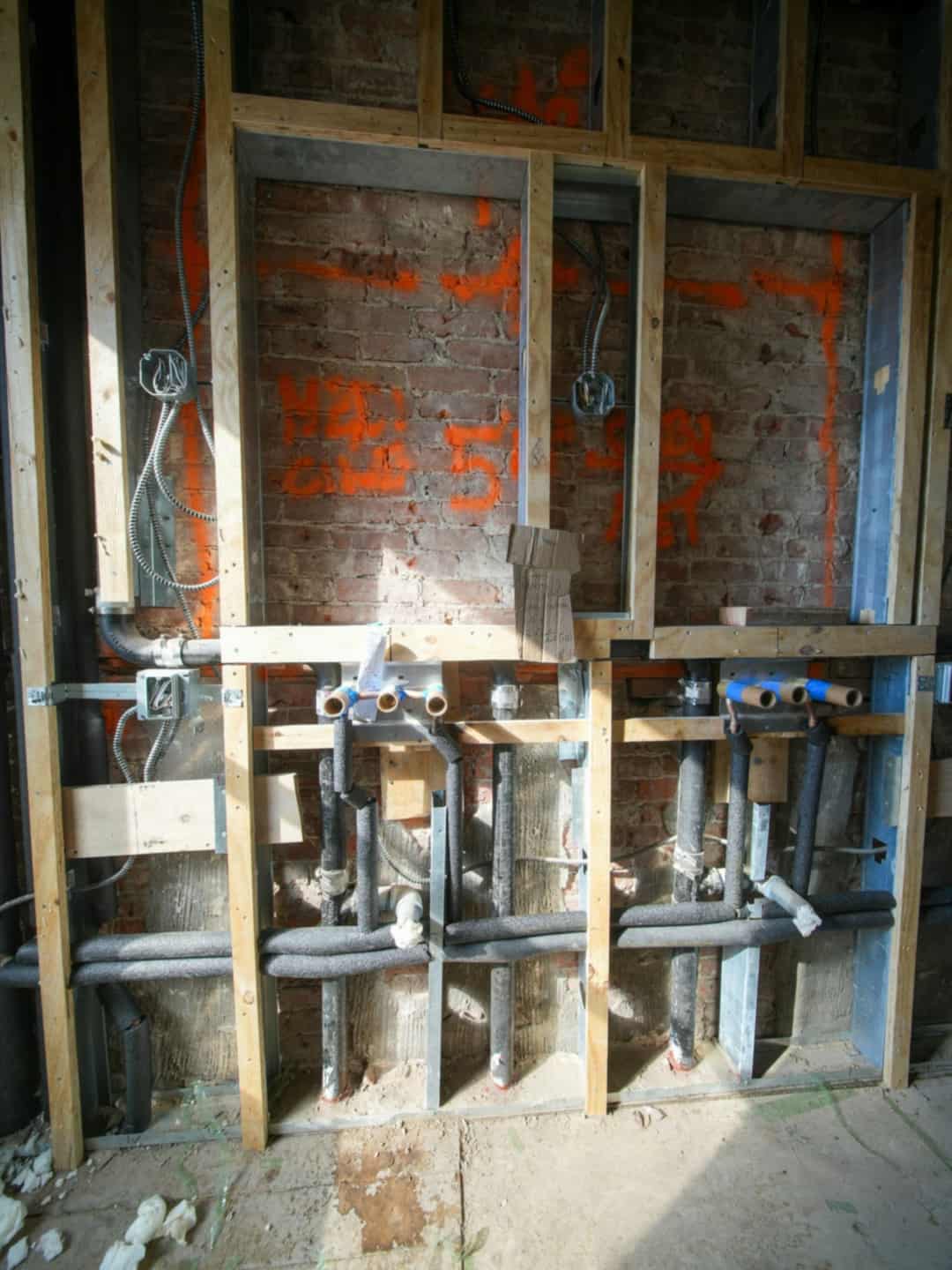
- RepipingReplacing old galvanized, polybutylene or failing copper lines.
- Pipe RepairLeaks, corrosion, cracked lines and low pressure from damaged pipes.
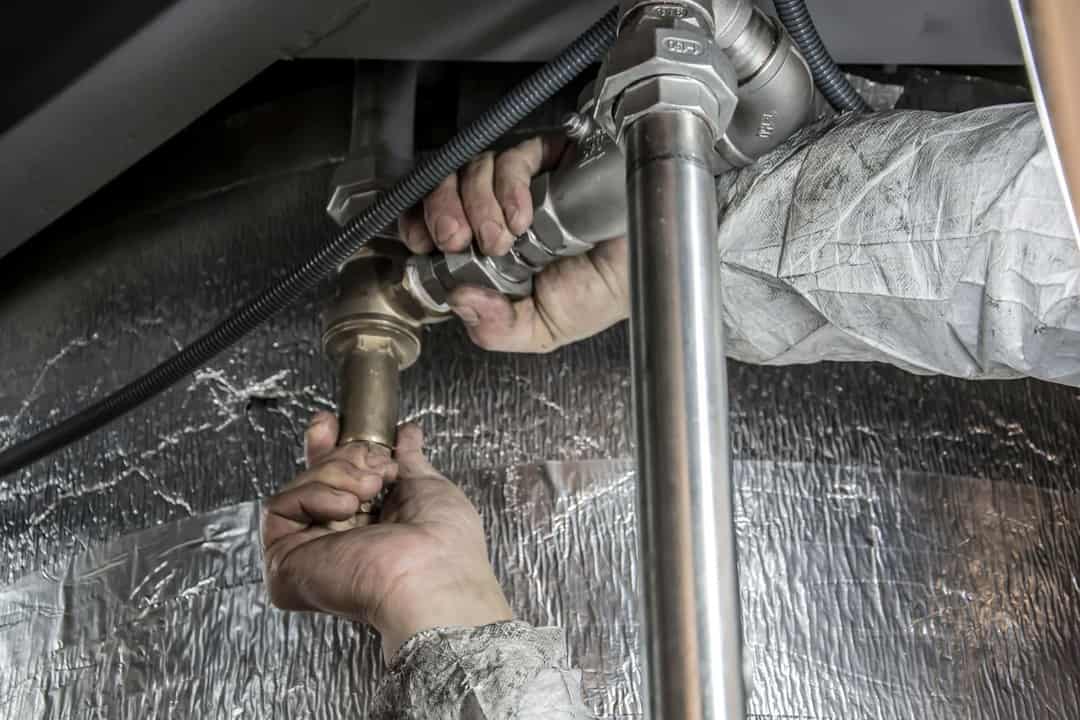
- Leak DetectionHidden leaks behind walls, ceilings or floors, or a bill that suddenly jumps.
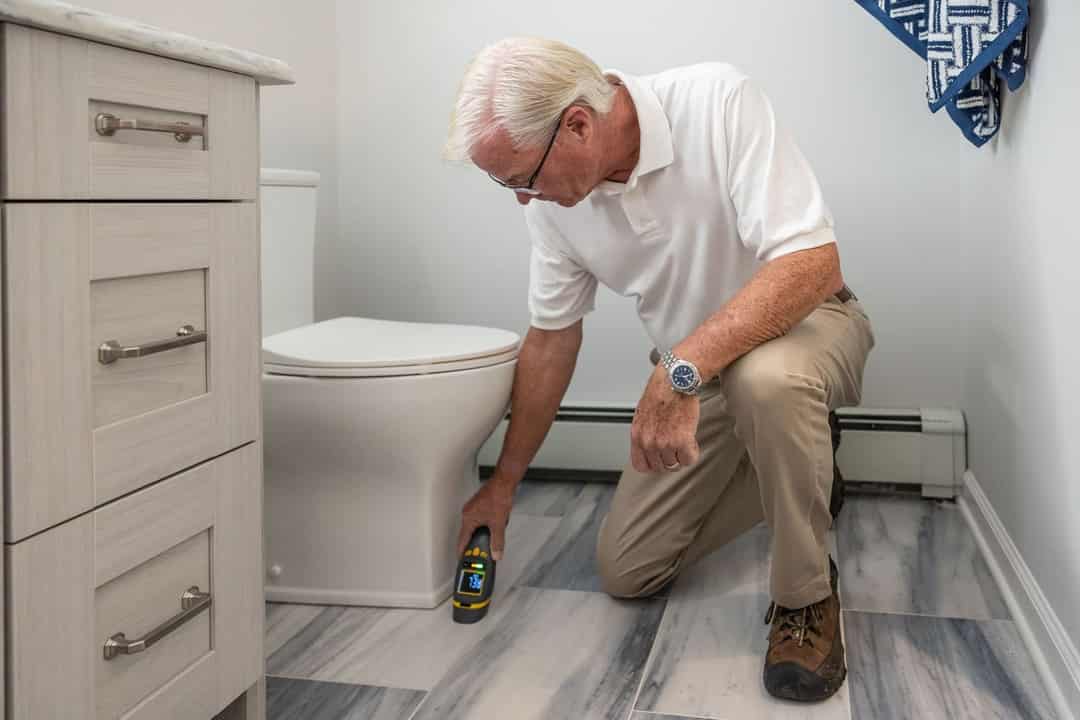
- Water Line RepairLeaks and breaks in the main line from the meter.
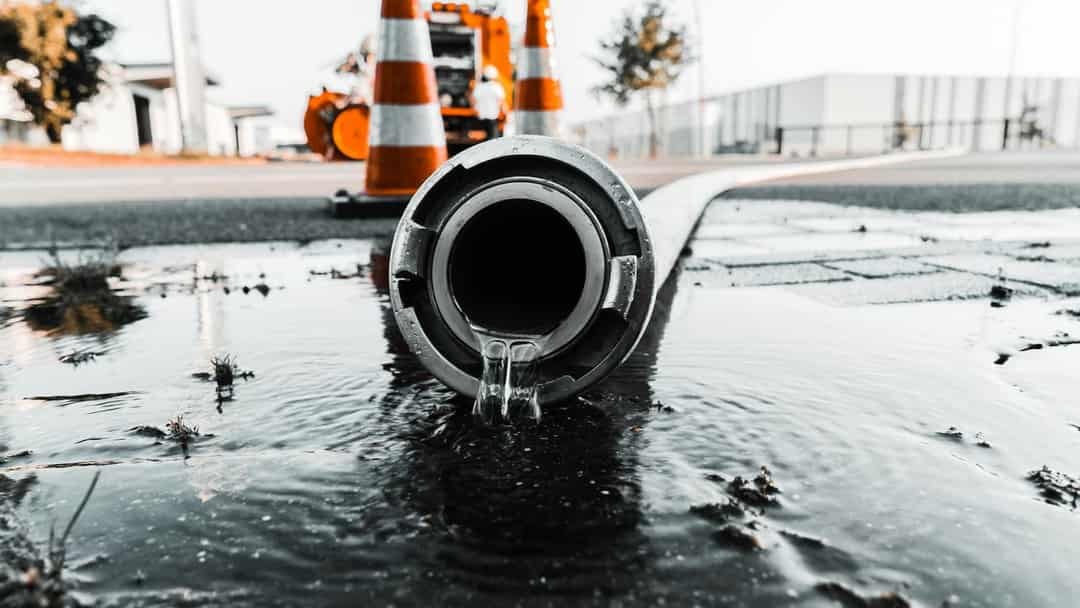
- Water Pressure ProblemsDiagnosing low or high water pressure.
Problems repiping fixes
- Rusty or discolored water
- Pinhole leaks in different places
- Falling water pressure
- Galvanized or polybutylene supply pipe
Why repiping comes up in Salt Lake City
About 58% of homes predate 1980, and galvanized supply lines in older homes cause pressure loss.
With 58% of Salt Lake City's housing built before 1980, a large share of homes still has original galvanized steel or early copper supply lines. Galvanized pipe rusts from the inside, which is why repiping questions here usually start with brown water or falling pressure.
- Typical home built
- 1972
- Homes before 1980
- 58%
- Winter freezes
- Regular hard freezes
How the work is done
- 1Survey the systemIdentify the pipe material, its condition and the fixture count.
- 2Plan the routeChoose PEX or copper and plan wall openings to keep them small.
- 3Permit and installRepiping usually requires a permit; fixtures are reconnected in stages.
- 4Pressure test and patchTest before inspection; openings are patched afterward.
What affects the price
The plumbing company sets the price after seeing the job; ask for it in writing before work starts.
- Size of the home and number of fixtures
- PEX or copper
- Access through walls, attic or crawlspace
- Drywall repair
- Permit and inspection
Plumbing work we connect Salt Lake City homeowners with
Repiping in Salt Lake City: questions
My Salt Lake City house was built in the 1920s; should I worry about lead pipes?
SLC Public Utilities says homes built in 1929 or earlier are the most likely to have lead service lines. It also flags pre-1987 lead solder on copper pipe and pre-2014 brass fixtures, so an older home is worth inspecting.
Which part of the water service pipe does a Salt Lake City homeowner have to replace?
Typically the pipe from the meter to the house is the homeowner's, while the meter-to-main section belongs to Salt Lake City, which says it removes known city-owned lead service lines.
Why is repiping a common call in Salt Lake City?
About 58% of homes predate 1980, and galvanized supply lines in older homes cause pressure loss.
How old are most homes in Salt Lake City?
The median home in Salt Lake City was built in 1972, and 58% of homes were built before 1980 (U.S. Census Bureau, American Community Survey).
Does repiping in Salt Lake City need a permit?
Usually, when piping changes; the plumber normally pulls it.
Should old pipes in a Salt Lake City home be repaired or replaced?
One leak in otherwise sound pipe is usually repaired; when galvanized or failing pipe leaks in several places, repiping costs less over time. In Salt Lake City: about 58% of homes predate 1980, and galvanized supply lines in older homes cause pressure loss.
Who supplies water in Salt Lake City?
Salt Lake City Public Utilities. Past the meter, plumbing is the owner's.
More plumbing services in Salt Lake City
- Water Heater Repair in Salt Lake City, UTWater Heater Repair in Salt Lake City, UT: summer well water is harder and adds sediment to tank heaters.
- Frozen Pipe Repair in Salt Lake City, UTFrozen Pipe Repair in Salt Lake City, UT: cold winters freeze pipes in exterior walls, garages and crawl spaces.
- Emergency Plumbing in Salt Lake City, UTPlumbing emergency in Salt Lake City, UT? Who to call (Salt Lake City Public Utilities or a plumber), what to shut off first, and the emergencies most likely in Salt Lake City homes.
- All plumbing services in Salt Lake CityEvery plumbing service available to Salt Lake City homes.
Local rules and details for Salt Lake City
Salt Lake City facts behind this page
For repiping that changes or replaces piping, Salt Lake City's plumbing code and permit rules apply (see the source below). Ask the plumber whether your job needs a permit and who pulls it; a licensed plumber normally does.
- The median home in Salt Lake City was built in 1972. [1]
- About 58% of Salt Lake City's housing units were built before 1980, the era of galvanized steel supply pipe, cast iron drains and clay sewer laterals. [1]
- More than 60% of Salt Lake City's water starts in mountain streams in the Wasatch canyons; in summer the city supplements it with deep wells, whose water is harder. [2]
- Plumbing in Salt Lake City follows Utah's State Plumbing Code, based on the 2021 International Plumbing Code, and plumbers are licensed by Utah DOPL. [3]
- Salt Lake City Department of Public Utilities says homes built in 1929 or earlier are most likely to have a lead service line, homes from 1930 to 1959 less likely, homes from 1960 to 1986 least likely, and homes from 1987 on should not have one. It also cites copper pipe joined with lead-containing solder before 1987 and brass fixtures installed before 2014 as common lead sources. [4]
- In Salt Lake City, most customers share the service line with the city: typically the section from the meter to the house is the homeowner's responsibility and the section from the meter to the main is the city's. Public Utilities' policy is to remove known city-owned lead service lines, and residents can submit a survey with a photo for help identifying their line material. [4]
Salt Lake City rules and programs for repiping
- Salt Lake City Department of Public Utilities says homes built in 1929 or earlier are most likely to have a lead service line, homes from 1930 to 1959 less likely, homes from 1960 to 1986 least likely, and homes from 1987 on should not have one. It also cites copper pipe joined with lead-containing solder before 1987 and brass fixtures installed before 2014 as common lead sources. [4]
- In Salt Lake City, most customers share the service line with the city: typically the section from the meter to the house is the homeowner's responsibility and the section from the meter to the main is the city's. Public Utilities' policy is to remove known city-owned lead service lines, and residents can submit a survey with a photo for help identifying their line material. [4]
Other common plumbing calls in Salt Lake City
- Frozen Pipe Repair: cold winters freeze pipes in exterior walls, garages and crawl spaces.
- Water Heater Repair: summer well water is harder and adds sediment to tank heaters.
Sources (4)
- U.S. Census Bureau, ACS 2024 1-year (B25035) · checked 2026-10-01
- Salt Lake City Public Utilities, Water Quality · checked 2026-10-01
- International Code Council, 2021 Utah State Plumbing Code · checked 2026-10-01
- Salt Lake City Department of Public Utilities, Lead and Copper · checked 2026-10-20