
Chicago, IL · plumbing problem
Basement flooding in Chicago: why it happens and what fixes it
Updated · Editorial team; not yet technically reviewed
Short answer
Most Chicago basement flooding in big storms is sewer water, not groundwater: the city's combined sewers carry rain and sewage in the same pipes, and when they surcharge, water rises through floor drains. MWRD's Deep Tunnel stores overflow and is still being expanded, but for your house the practical fixes are a backwater valve, a working sump pump and keeping downspouts out of the sewer.
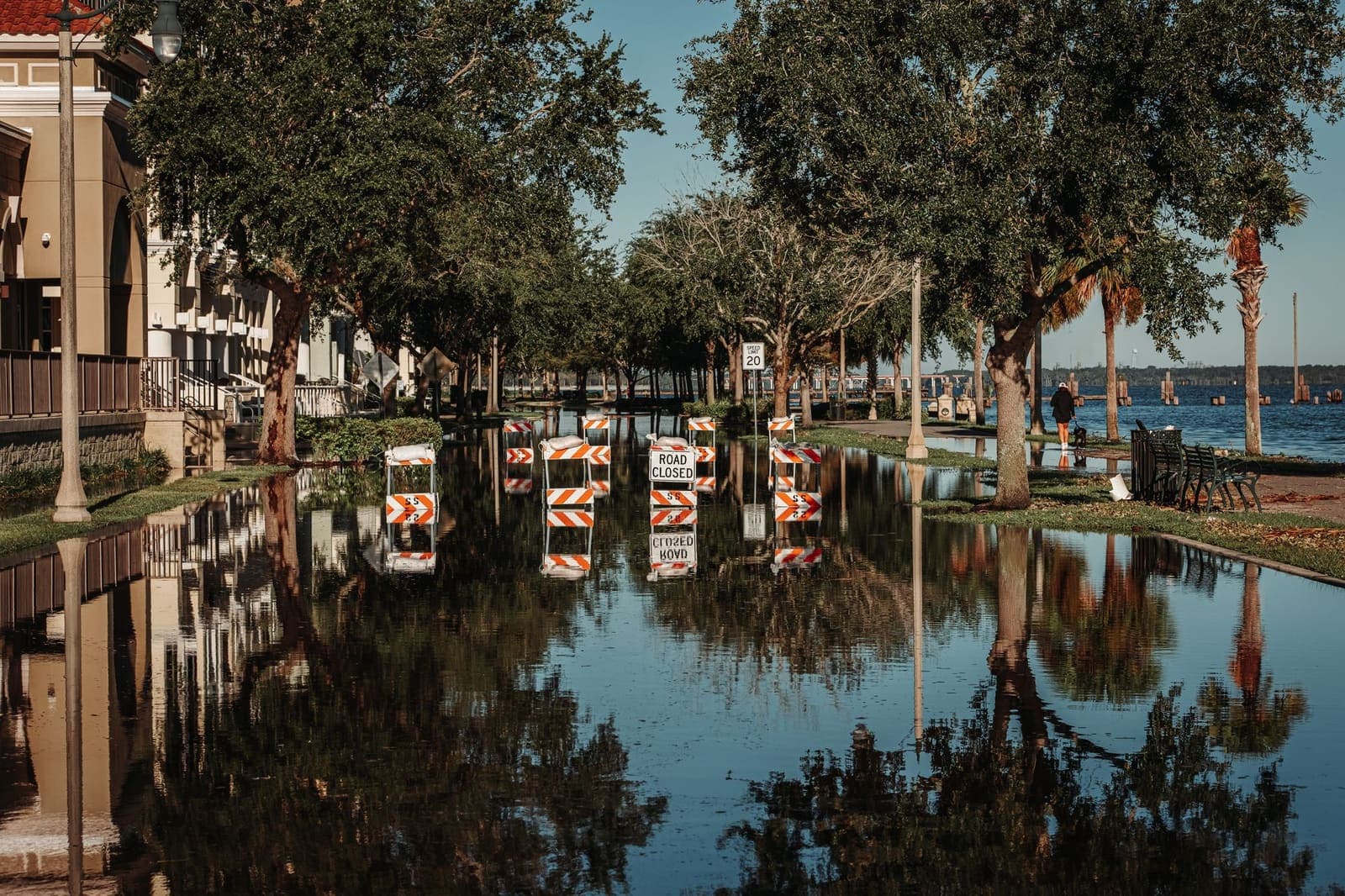
What's different in Chicago
MWRD adopted the Tunnel and Reservoir Plan to reduce flooding and pollution caused by combined sewer overflows. [1]
TARP Phase I, finished in 2006, is 110 miles of deep, large-diameter tunnels holding 2.3 billion gallons. [1]
Phase II adds three reservoirs; when complete in 2029, TARP will store about 20 billion gallons, and MWRD says the reservoirs also reduce basement backups. [1]
Read the water
| What you see | Likely source | Urgency |
|---|---|---|
| Dark, smelly water rising from the floor drain during a storm | Combined sewer surcharge | Urgent: sewage; stay out of standing water near outlets |
| Clear water seeping at the wall-floor joint | Groundwater or poor grading | Soon |
| Water only when you run laundry or a shower | Blockage in your own sewer line | Urgent: stop using water |
| Water around the sump pit | Failed pump or power loss | Urgent in rain |
What to do while it's happening
- Stop running water in the house; every gallon you send down has nowhere to go.
- Keep away from water near electrical panels or outlets.
- Photograph everything before cleanup for insurance.
- Report flooding to 311.
Fixes a plumber can make
A backwater valve on the building sewer closes when the sewer surcharges so water can't flow back in. An overhead sewer setup, where basement fixtures are pumped up to an exit above the street sewer, does the same job more completely in homes that flood often. Both need a permit and a licensed plumber. Pair either with a sump pump that has battery backup and downspouts that discharge to the yard. See sewer backup cleanup and repair for the repair side.
Further reading: Sump pump troubleshooting.
You may also be dealing with
- SymptomDrain backing up
- SymptomWater heater leaking
- SymptomSewer smell in the house
Common questions
Why do Chicago basements flood when it rains hard?
Combined sewers carry rain and sewage together; when they fill, water backs up through basement floor drains.
What is Chicago's Deep Tunnel?
MWRD's Tunnel and Reservoir Plan: 110 miles of tunnels holding 2.3 billion gallons, plus reservoirs reaching about 20 billion gallons by 2029.
If TARP exists, why does my basement still flood?
Local sewers and your own building drain can surcharge before overflow reaches the tunnels.
Does a backwater valve stop Chicago basement flooding?
It stops sewer water flowing back into the house when the sewer surcharges; it doesn't stop groundwater seepage.
Is floor-drain water in a storm sewage?
In combined-sewer areas, assume it is and clean up accordingly.
What's an overhead sewer?
A setup that pumps basement wastewater up to a pipe exiting above the street sewer, so a surcharge can't reach basement fixtures.
Should my downspouts drain into the sewer?
Better not; discharging to the yard, away from the foundation, keeps rain out of the combined system.
Who do I call during Chicago basement flooding?
311 to report it; a plumber for backups, valves and pumps.
How do I know if my basement water is groundwater?
Clear water at walls or the floor joint, without odor, usually points to groundwater.
Do I need a permit for a backwater valve in Chicago?
Yes; it's plumbing work on the building sewer and is done by a licensed plumber under permit.
More plumbing help in Chicago
- Water Line Repair in ChicagoHow lead water service line replacement works in Chicago: free and fee-waived city programs, who qualifies, what state law requires, and what the job involves.
- Water bill suddenly high in ChicagoChicago water bills: unmetered single-family homes and two-flats can get a free meter through MeterSave with a 7-year bill guarantee. And how to find a leak.
- Basement flooding: the full guideWhether basement water is groundwater, sewer backup or a burst pipe changes what you do first. How to tell, how to stay safe, and how to prevent the next one.
- Plumbing in ChicagoLocal water, housing and climate conditions, and the calls Chicago homes need most.
How other cities handle it
Sources (1)
- MWRD, TARP at 50 · checked 2026-10-03