
Miami-Dade County, FL
Septic-to-sewer conversion in Miami-Dade County
Updated · Editorial team; not yet technically reviewed
Short answer
Miami-Dade County still has about 120,000 septic systems, and rising groundwater leaves thousands vulnerable to failure. Its Septic-to-Sewer Financial Assistance Program offers grants and 0% or low-interest loans, up to $15,000, to homesteaded owners whose property abuts existing sewer so they can connect.
What Miami-Dade County handles
The Septic-to-Sewer Financial Assistance Program offers grants and 0% or low-interest loans to homeowners with homesteaded properties that abut existing sanitary sewer. [1]
Eligible homeowners can receive up to $15,000 through grants and zero- or low-interest loans to convert to county sewer (news report). [2]
About 120,000 septic systems are still in use in Miami-Dade, and about 9,000 are vulnerable to compromise or failure under current groundwater conditions (news report citing the county). [2]
Why groundwater matters here
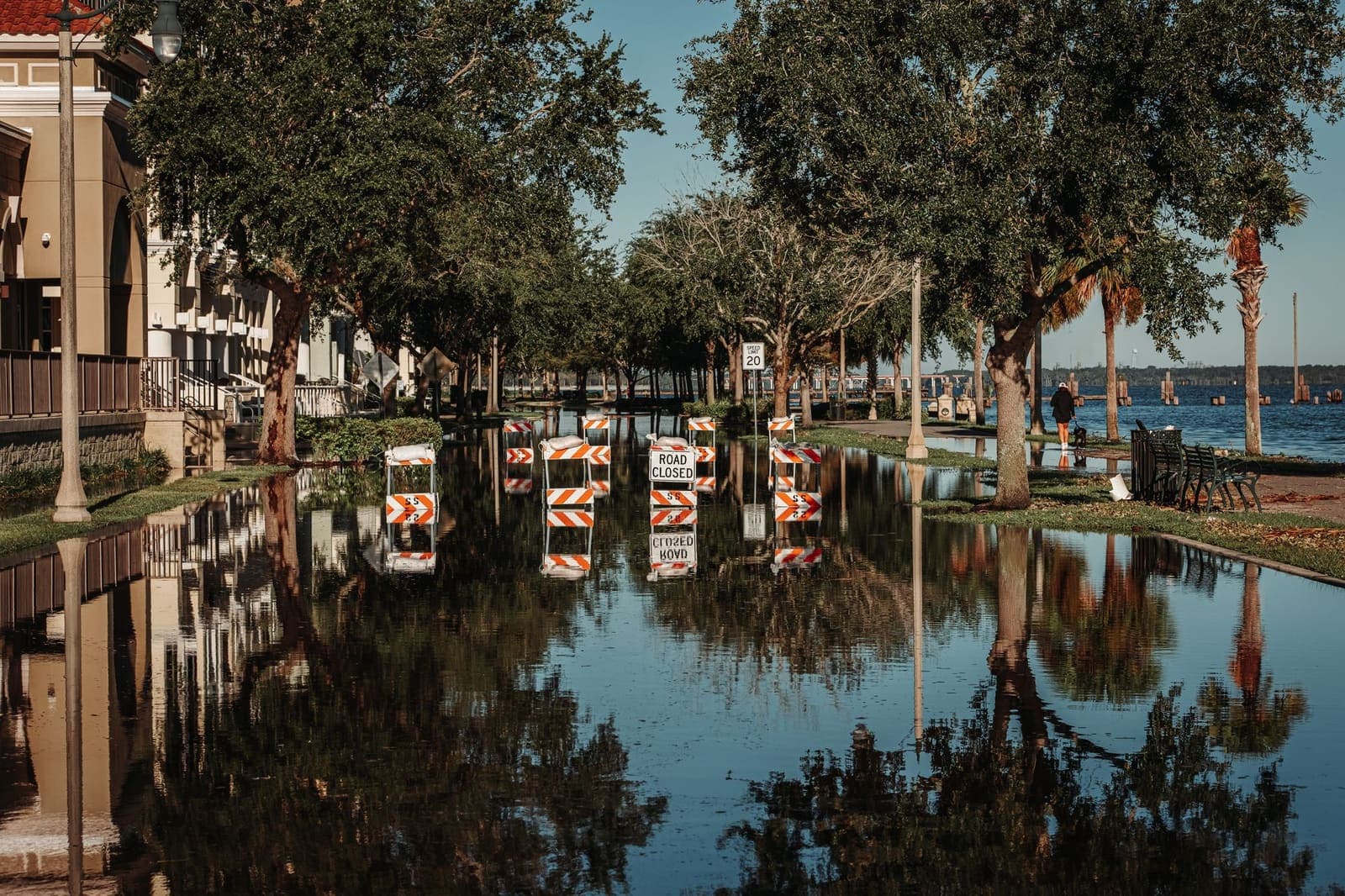
A septic drain field treats wastewater in the dry soil above the water table. Miami-Dade's water table sits close to the surface on porous limestone, and as it rises, the treatment zone shrinks. A system that worked for decades can start backing up or surfacing during king tides and heavy rain.
What a conversion involves
Confirm eligibility
Homesteaded property that abuts an existing sewer line.
Lateral connection
A licensed plumber runs a building sewer from the house to the public connection, under permit.
Abandon the tank
The old septic tank is pumped and abandoned to code.
Inspection
The connection is inspected before the job is closed.
Backups before conversion
If drains slow during high water, cut water use until levels drop and have the tank checked. For sewage indoors, see sewer backup cleanup; for the new connection, see sewer line replacement.
City-specific guides in Miami-Dade County
Common questions
How many septic systems are still in Miami-Dade?
About 120,000, according to the county as reported by local news.
Who qualifies for Miami-Dade septic-to-sewer help?
Homeowners with homesteaded properties that abut existing county sewer.
How much can Miami-Dade homeowners get to connect to sewer?
Up to $15,000 in grants and zero- or low-interest loans.
Why do Miami-Dade septic systems fail when groundwater rises?
The drain field needs dry soil above the water table; a higher table shrinks that zone.
What happens to my old septic tank after connecting to sewer?
It's pumped and abandoned to code as part of the conversion.
Who does the plumbing for a septic-to-sewer conversion?
A licensed plumber runs the building sewer to the public connection under permit.
Who handles Miami-Dade septic records?
The county's Division of Environmental Resources Management (DERM).
Why do my drains slow during king tides?
High groundwater can saturate the drain field so wastewater has nowhere to go.
Is connecting to sewer required in Miami-Dade?
Requirements vary by situation; ask the county when sewer becomes available at your property.
What share of Miami-Dade septic systems does the county call vulnerable?
About 9,000 of roughly 120,000, under current groundwater conditions, per the county as reported.
Cities and services in Miami-Dade County
- Plumbing services in MiamiMiami's water comes from the shallow Biscayne Aquifer and is lime-softened at the plant. Most residents rent, many in high-rises and condos, so shared…
- Plumbing services in HialeahHialeah is a dense, largely 1960s and '70s city that supplements its Biscayne Aquifer water with deep Floridan Aquifer water treated by reverse osmosi…
- Plumbing in FloridaStatewide code, licensing and climate for Florida.
Other Florida counties
- Backflow testing for Hillsborough County water customersHillsborough County Public Utilities backflow rules: annual tests by registered county testers, permits for new or replaced assemblies, and 48-hour failure reports.
- Backflow protection and reclaimed water in Orange County, FloridaOrange County Utilities cross-connection rules: dual check valves at meters in reclaimed-water areas since 2020, ASSE 1024 standards, and irrigation backflow risk.
Sources (2)
- Miami-Dade Water and Sewer, Septic-to-Sewer Financial Assistance · checked 2026-10-03
- Local 10 News · checked 2026-10-03