
Tucson, AZ · plumbing service
Repiping in Tucson, AZ
Homes built before 1980 often have aging galvanized or early copper supply lines. Call to be connected with an independent, licensed plumber who handles repiping in Tucson; they diagnose the problem and quote the work before starting.
By calling, you agree to be connected with an independent plumbing contractor serving your area. Calls may be recorded for quality and training. The call and referral are free, and you are never obligated to hire.- Licensed local plumbers
- Free call and referral
- You approve the quote first
Common signs
- Rusty water
- falling pressure
- repeated pinhole leaks
Repiping services in Tucson
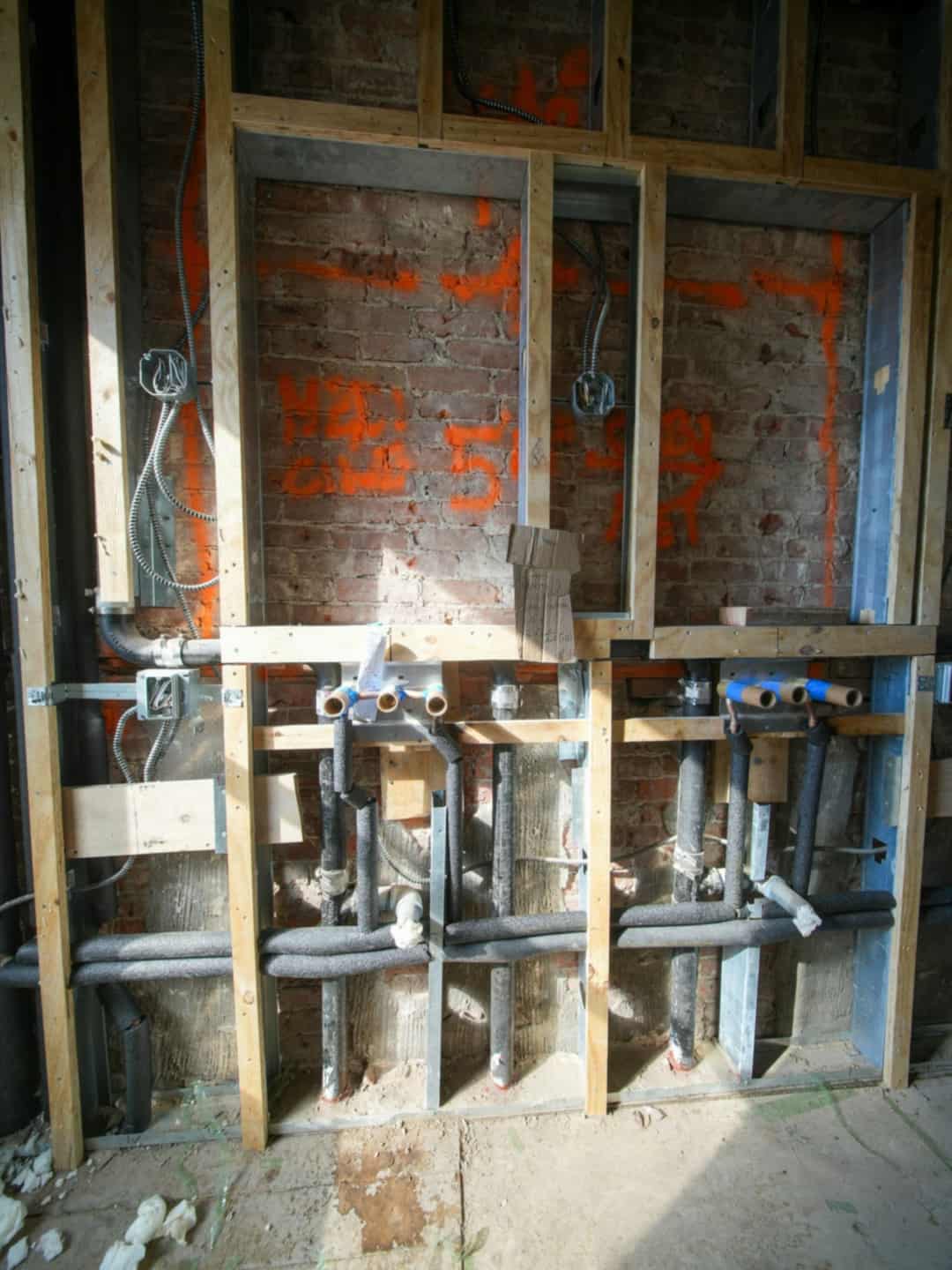
- RepipingReplacing old galvanized, polybutylene or failing copper lines.
- Pipe RepairLeaks, corrosion, cracked lines and low pressure from damaged pipes.
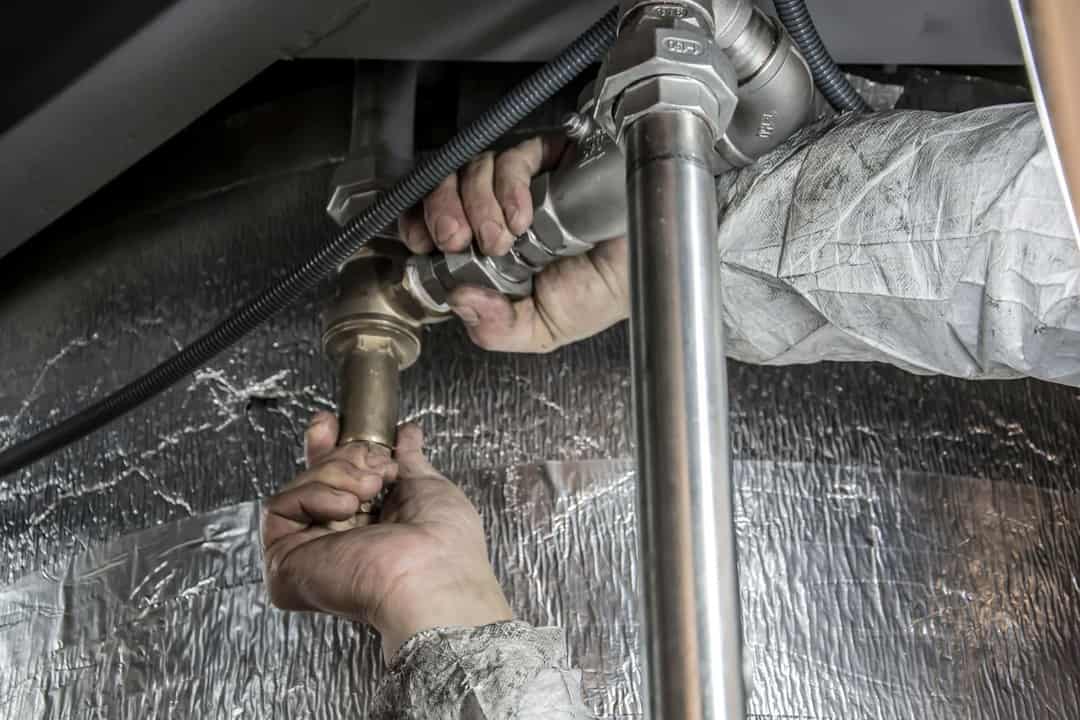
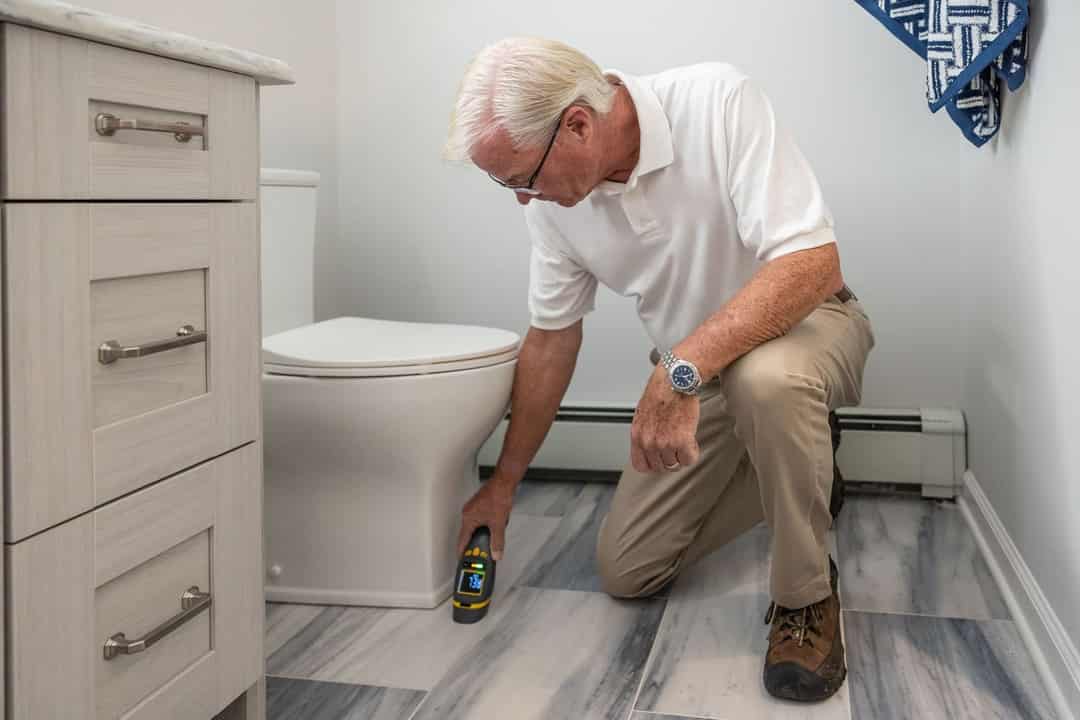
- Leak DetectionHidden leaks behind walls, ceilings or floors, or a bill that suddenly jumps.
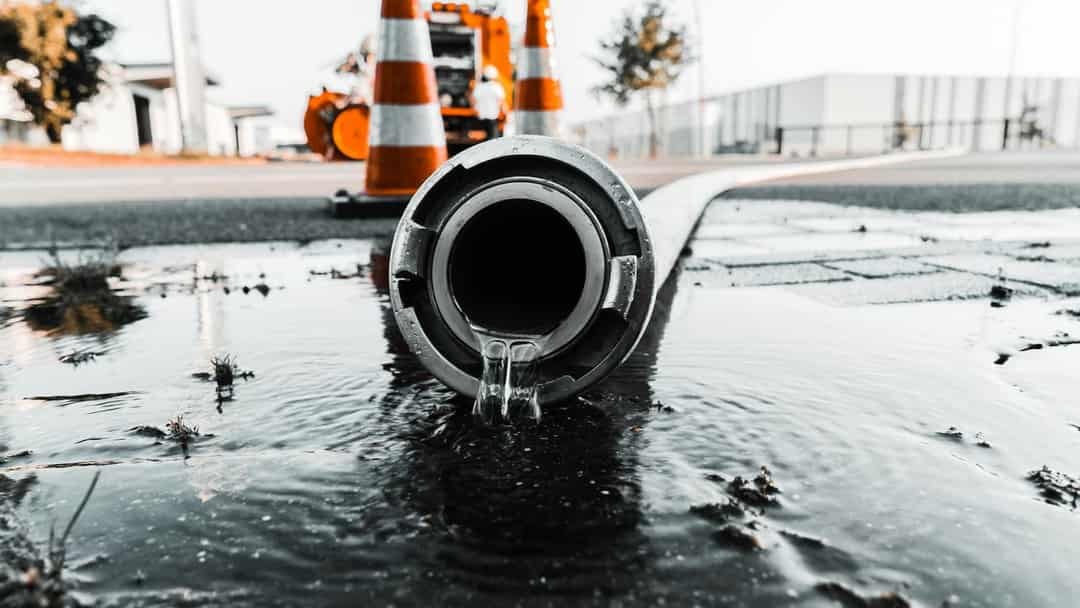
- Water Line RepairLeaks and breaks in the main line from the meter.
- Water Pressure ProblemsDiagnosing low or high water pressure.
Problems repiping fixes
- Rusty or discolored water
- Pinhole leaks in different places
- Falling water pressure
- Galvanized or polybutylene supply pipe
Why repiping comes up in Tucson
Homes built before 1980 often have aging galvanized or early copper supply lines.
With 52% of Tucson's housing built before 1980, a large share of homes still has original galvanized steel or early copper supply lines. Galvanized pipe rusts from the inside, which is why repiping questions here usually start with brown water or falling pressure.
- Typical home built
- 1979
- Homes before 1980
- 52%
- Winter freezes
- Rare
How the work is done
- 1Survey the systemIdentify the pipe material, its condition and the fixture count.
- 2Plan the routeChoose PEX or copper and plan wall openings to keep them small.
- 3Permit and installRepiping usually requires a permit; fixtures are reconnected in stages.
- 4Pressure test and patchTest before inspection; openings are patched afterward.
What affects the price
The plumbing company sets the price after seeing the job; ask for it in writing before work starts.
- Size of the home and number of fixtures
- PEX or copper
- Access through walls, attic or crawlspace
- Drywall repair
- Permit and inspection
Plumbing work we connect Tucson homeowners with
Repiping in Tucson: questions
Can Tucson's hard water clog the pipes in an older house?
Yes. Tucson Water says mineral buildup from the city's hard water can clog pipes and shorten appliance life. Homes with long-standing scale restrictions may see low flow that eventually calls for pipe replacement.
Is low pressure at my Tucson showerhead a sign I need new pipes?
Not always. Tucson Water says hard water commonly clogs showerheads and aerators, which vinegar cleaning can fix. If pressure stays low at many fixtures after cleaning, scale inside the supply pipes may be the cause.
Why is repiping a common call in Tucson?
Homes built before 1980 often have aging galvanized or early copper supply lines.
How old are most homes in Tucson?
The median home in Tucson was built in 1979, and 52% of homes were built before 1980 (U.S. Census Bureau, American Community Survey).
Should old pipes in a Tucson home be repaired or replaced?
One leak in otherwise sound pipe is usually repaired; when galvanized or failing pipe leaks in several places, repiping costs less over time. In Tucson: homes built before 1980 often have aging galvanized or early copper supply lines.
Who supplies water in Tucson?
City of Tucson. Past the meter, plumbing is the owner's.
Repiping near Tucson
More plumbing services in Tucson
- Water Heater Repair in Tucson, AZWater Heater Repair in Tucson, AZ: hard water builds sediment and scale in tank heaters, leading to rumbling, lost capacity and leaks.
- Water Softener Installation in Tucson, AZWater Softener Installation in Tucson, AZ: many households soften to reduce scale on fixtures and appliances.
- All plumbing services in TucsonEvery plumbing service available to Tucson homes.
Local rules and details for Tucson
Tucson facts behind this page
- The median home in Tucson was built in 1979. [1]
- About 52% of Tucson's housing units were built before 1980, the era of galvanized steel supply pipe, cast iron drains and clay sewer laterals. [1]
- Tucson Water says the area's groundwater is naturally hard, and that hardness increases mainly from mixing local groundwater with Central Arizona Project (Colorado River) water. [2]
- Tucson Water states that the changing mineral levels in the city's hard water can influence taste, and that mineral buildup can shorten appliance life and clog pipes. The utility attributes rising hardness mainly to mixing the area's naturally hard groundwater with Central Arizona Project water. [2]
- Tucson Water notes that hard water can clog showerheads and tap aerators and recommends cleaning them with white vinegar or a hard-water cleaning product. The utility also says hard water is safe to drink and is not a health risk, despite its effects on fixtures and plumbing. [2]
Tucson rules and programs for repiping
- Tucson Water states that the changing mineral levels in the city's hard water can influence taste, and that mineral buildup can shorten appliance life and clog pipes. The utility attributes rising hardness mainly to mixing the area's naturally hard groundwater with Central Arizona Project water. [2]
- Tucson Water notes that hard water can clog showerheads and tap aerators and recommends cleaning them with white vinegar or a hard-water cleaning product. The utility also says hard water is safe to drink and is not a health risk, despite its effects on fixtures and plumbing. [2]
Other common plumbing calls in Tucson
- Water Heater Repair: hard water builds sediment and scale in tank heaters, leading to rumbling, lost capacity and leaks.
- Water Softener Installation: many households soften to reduce scale on fixtures and appliances.
Sources (2)
- U.S. Census Bureau, ACS 2024 1-year (B25035) · checked 2026-10-01
- City of Tucson, Tucson Water: Hard Water · checked 2026-10-01