
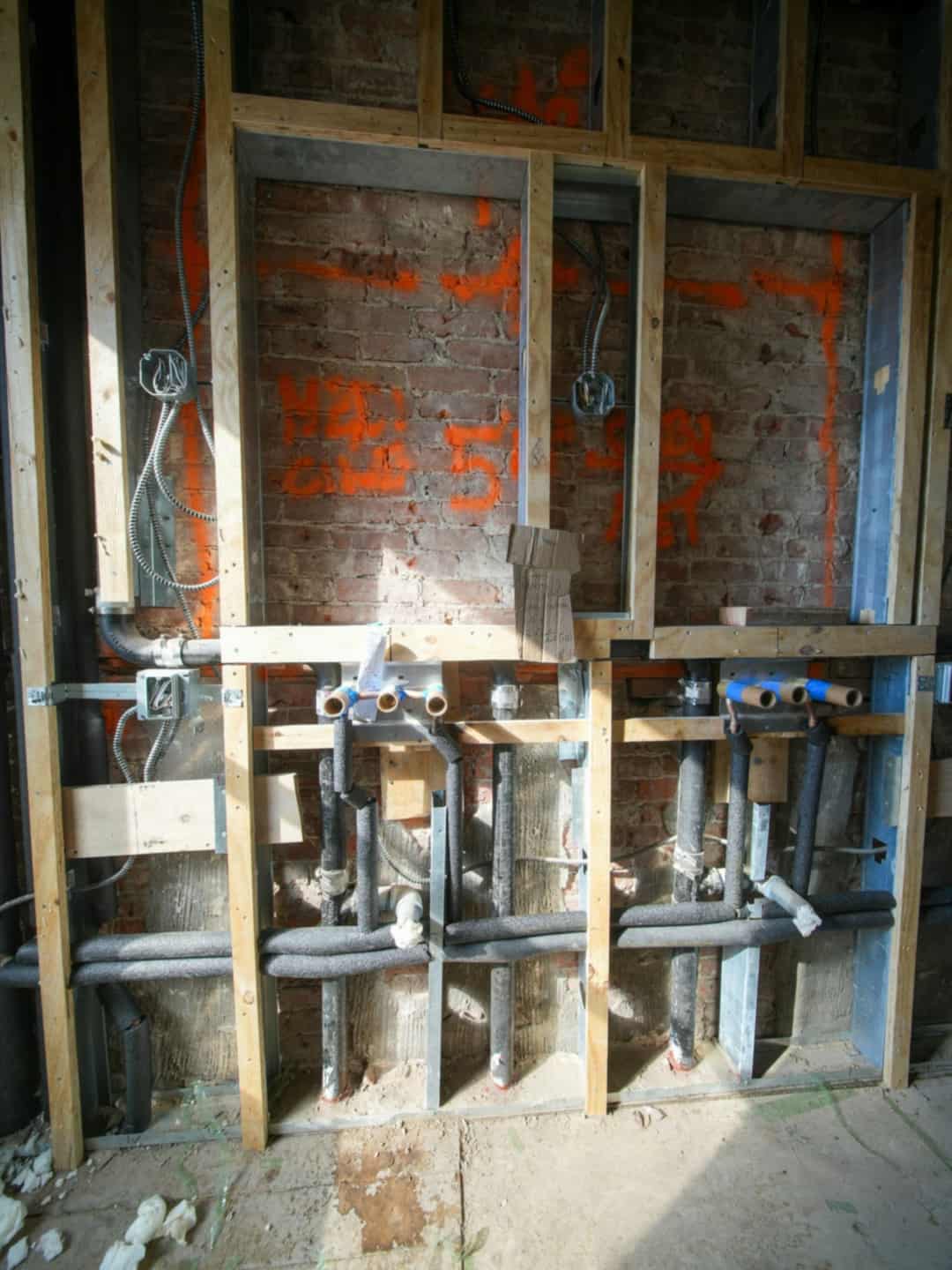
Philadelphia, PA · plumbing service
Repiping in Philadelphia, PA
Galvanized steel and aging copper supply lines in older rowhouses cause low pressure, rusty water and repeated leaks. Call to be connected with an independent, licensed plumber who handles repiping in Philadelphia; they diagnose the problem and quote the work before starting.
By calling, you agree to be connected with an independent plumbing contractor serving your area. Calls may be recorded for quality and training. The call and referral are free, and you are never obligated to hire.- Licensed local plumbers
- Free call and referral
- You approve the quote first
Common signs
- Rusty water
- falling pressure
- repeated pinhole leaks
Repiping services in Philadelphia
- RepipingReplacing old galvanized, polybutylene or failing copper lines.
- Pipe RepairLeaks, corrosion, cracked lines and low pressure from damaged pipes.
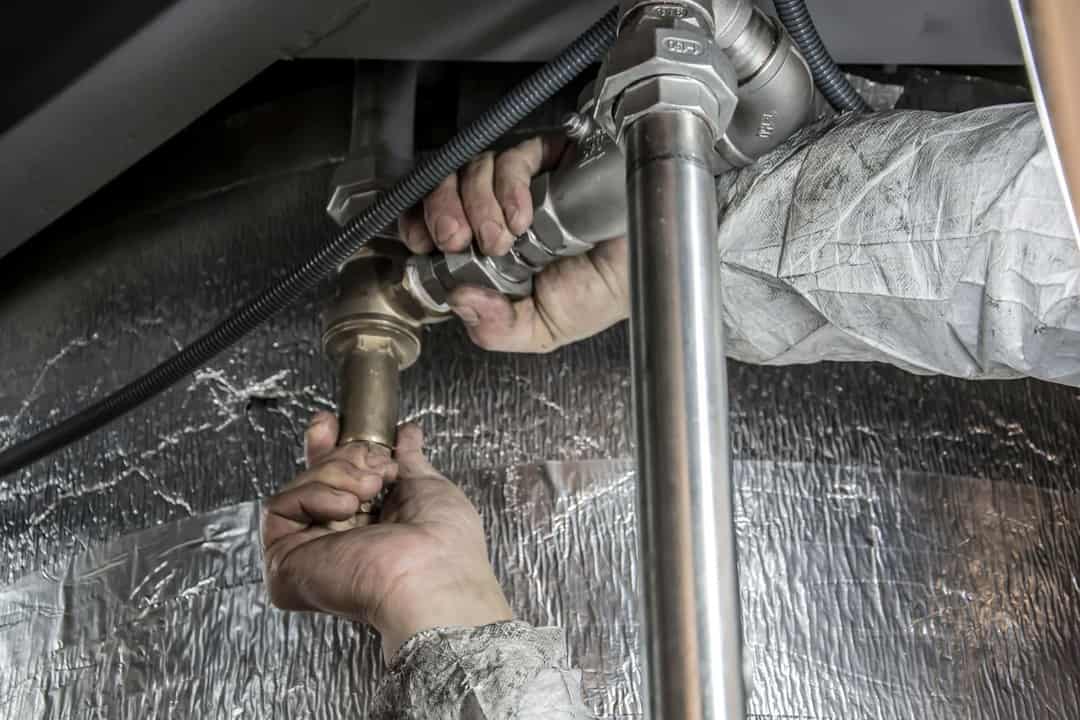
- Leak DetectionHidden leaks behind walls, ceilings or floors, or a bill that suddenly jumps.
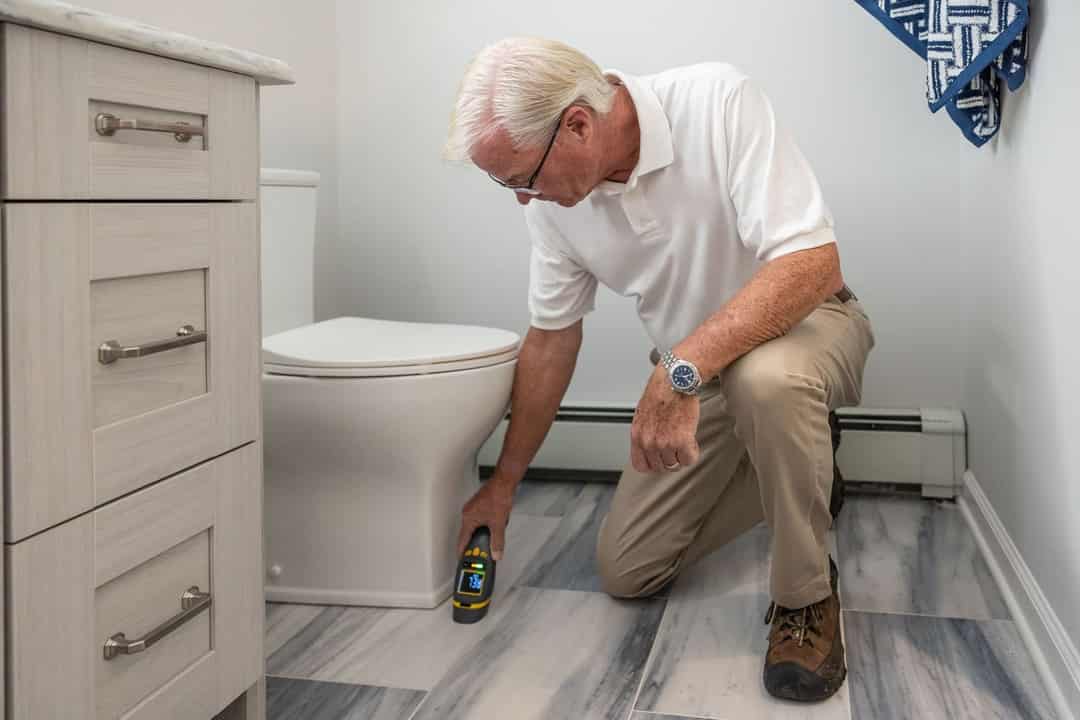
- Water Line RepairLeaks and breaks in the main line from the meter.
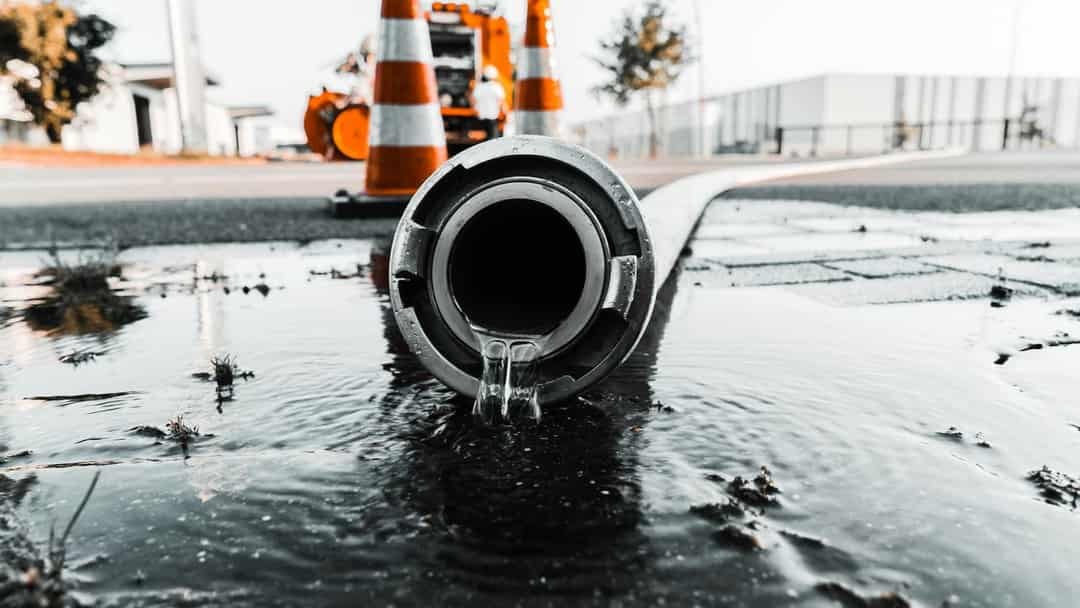
- Water Pressure ProblemsDiagnosing low or high water pressure.
Problems repiping fixes
- Rusty or discolored water
- Pinhole leaks in different places
- Falling water pressure
- Galvanized or polybutylene supply pipe
Why repiping comes up in Philadelphia
Galvanized steel and aging copper supply lines in older rowhouses cause low pressure, rusty water and repeated leaks.
With 82% of Philadelphia's housing built before 1980, a large share of homes still has original galvanized steel or early copper supply lines. Galvanized pipe rusts from the inside, which is why repiping questions here usually start with brown water or falling pressure.
- Typical home built
- 1949
- Homes before 1980
- 82%
- Water hardness
- 6 gpg
- moderately hard
- Winter freezes
- Regular hard freezes
How the work is done
- 1Survey the systemIdentify the pipe material, its condition and the fixture count.
- 2Plan the routeChoose PEX or copper and plan wall openings to keep them small.
- 3Permit and installRepiping usually requires a permit; fixtures are reconnected in stages.
- 4Pressure test and patchTest before inspection; openings are patched afterward.
What affects the price
The plumbing company sets the price after seeing the job; ask for it in writing before work starts.
- Size of the home and number of fixtures
- PEX or copper
- Access through walls, attic or crawlspace
- Drywall repair
- Permit and inspection
Plumbing work we connect Philadelphia homeowners with
Repiping in Philadelphia: questions
Why is repiping a common call in Philadelphia?
Galvanized steel and aging copper supply lines in older rowhouses cause low pressure, rusty water and repeated leaks.
How old are most homes in Philadelphia?
The median home in Philadelphia was built in 1949, and 82% of homes were built before 1980 (U.S. Census Bureau, American Community Survey).
Does repiping in Philadelphia need a permit?
Usually, when piping changes; the plumber normally pulls it.
Should old pipes in a Philadelphia home be repaired or replaced?
One leak in otherwise sound pipe is usually repaired; when galvanized or failing pipe leaks in several places, repiping costs less over time. In Philadelphia: galvanized steel and aging copper supply lines in older rowhouses cause low pressure, rusty water and repeated leaks.
Repiping near Philadelphia
More plumbing services in Philadelphia
Local rules and details for Philadelphia
Philadelphia facts behind this page
For repiping that changes or replaces piping, Philadelphia's plumbing code and permit rules apply (see the source below). Ask the plumber whether your job needs a permit and who pulls it; a licensed plumber normally does.
- The median home in Philadelphia was built in 1949. [1]
- About 82% of Philadelphia's housing units were built before 1980, the era of galvanized steel supply pipe, cast iron drains and clay sewer laterals. [1]
- Philadelphia Water Department reports average hardness of about 6 grains per gallon at the Baxter plant, 9 at Belmont and 10 at Queen Lane, with individual readings up to about 16 grains per gallon. Water ranges from moderately hard to hard depending on location. [2]
- Plumbing work in Philadelphia follows the Philadelphia Plumbing Code, based on the 2018 International Plumbing Code with local amendments, and is permitted and inspected by the Department of Licenses and Inspections. [3]
Other common plumbing calls in Philadelphia
- Sewer Line Repair: with about four in five homes built before 1980, many sewer laterals are old cast iron or clay, prone to cracks, root entry and collapse.
- Frozen Pipe Repair: pipes along exterior rowhouse walls and in unheated rear additions are vulnerable in cold snaps.
Sources (3)
- U.S. Census Bureau, ACS 2024 1-year (B25035) · checked 2026-10-01
- Philadelphia Water Department, 2025 Drinking Water Quality Report · checked 2026-10-01
- City of Philadelphia, 2018 Philadelphia Plumbing Code amendments · checked 2026-10-01