
Jackson County · Kansas City metro
Plumbing help in Kansas City, MO
Older PipesFrozen Pipes
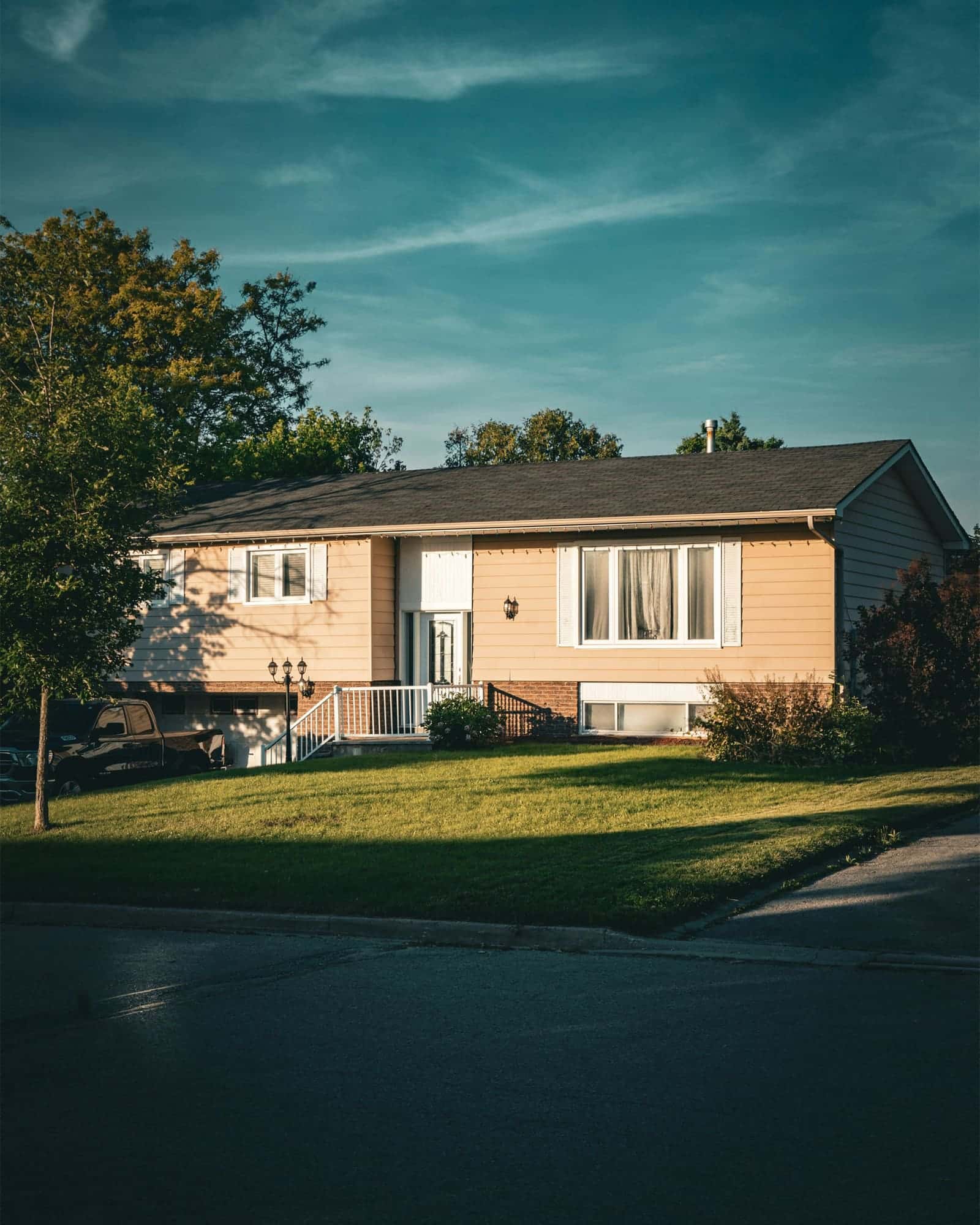
Kansas City, Missouri draws most of its water from the Missouri River, and most of its homes are older: over 60% predate 1980. Aging supply lines, clay sewer laterals under mature trees and hard Midwest freezes account for many local calls.
- Median home built
- 1969
- Built before 1980
- 63%
- Owner-occupied
- 58%
- Water hardness
- Moderately hard
- ≈ 5.5 grains/gal
- Winter
- Regular hard freezes
- Plumbing code
- Local
What Kansas City homeowners call plumbers about
- Sewer Line Repair
Older neighborhoods have clay and cast iron laterals where roots from mature trees get in at the joints.
- Frozen Pipe Repair
Hard freezes catch pipes in exterior walls, crawl spaces and unheated garages.
- Sump Pump Repair and Installation
Heavy spring storms raise groundwater and test basement sump pumps.
Emergency plumbing in Kansas City
Call (833) 878-1592Shut off your main water supply if it's safe to do so. The emergencies below are listed most likely first for Kansas City homes, based on local conditions.
What's behind the walls of Kansas City's older homes
The median home in Kansas City was built in 1969, and 63% of homes predate 1980. Homes from that era were typically built with copper or galvanized supply, cast iron drains, clay or cast iron sewer laterals.
- Galvanized steel supply (1900–1960)
- Copper supply (1950–2000)
- Polybutylene (some homes) (1978–1996)
- PEX / CPVC (1995–today)
Frozen pipe risk in Kansas City
Regular hard freezes · 63% of Kansas City homes were built before 1980
Kansas City's water: moderately hard
About 80% of KC Water's raw water comes from the Missouri River, and average hardness is about 100 mg/L (5 to 6 grains per gallon). [1]
Plumbing services for Kansas City homes
Kansas City plumbing questions
Is Kansas City water hard?
Moderately. KC Water reports average hardness around 100 mg/L, or 5 to 6 grains per gallon, from mostly Missouri River water. The river's quality shifts with rain, snowmelt and upstream releases.
Why do roots get into Kansas City sewer lines?
Many older homes have clay laterals with joints every few feet. Roots from mature trees find the moisture at those joints and grow inside, which leads to recurring clogs. Cutting or jetting clears them for a time, and relining or replacing the damaged section stops them for good.
Who licenses plumbers in Kansas City, Missouri?
Missouri has no statewide plumbing license, so licensing is local. Ask which Kansas City license the plumber holds and confirm it with the city before work starts.
Sources (2)
- U.S. Census Bureau, ACS 2024 1-year (B25035) · checked 2026-10-01
- KC Water, Water Quality Topics · checked 2026-10-01